 Skip to the content
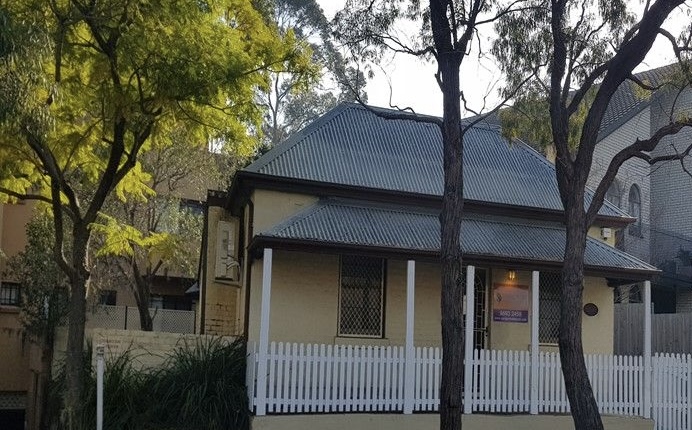
When a familiar shopfront disappears, an old hall is left to decay, or a historic street loses its character bit by bit, residents feel it straight away.
Heritage conservation Parramatta is not just about old bricks and sandstone – it is about protecting the places that hold community memory while making room for a growing city.
Parramatta is changing quickly. New housing, transport upgrades, commercial development and population growth are reshaping how people live, work and move through the city.
That growth brings opportunity, but it also puts pressure on older buildings, cultural landscapes and neighbourhood character.
For council, and for the community, the real challenge is not whether Parramatta should grow. It is how to grow without erasing the places that tell us who we are.
Heritage conservation in Parramatta is about more than old buildings
Too often, heritage is treated as a niche issue raised only when a demolition application appears or when residents object to a development proposal. In reality, heritage conservation affects everyday civic life. It shapes the look and feel of our centres, supports local identity, strengthens tourism, and gives long-term residents and newer communities a clearer sense of place.
Parramatta has one of the richest historical landscapes in New South Wales. Its story includes First Nations heritage, colonial history, migration, faith communities, industrial change and the steady growth of neighbourhoods that families still call home.
Protecting heritage in this context means thinking broadly. It includes grand civic buildings, but it also includes modest homes, streetscapes, community halls, places of worship, local parks and sites that hold social value even if they are not visually impressive.
This is where local government plays a practical role. Council decisions on planning controls, development applications, maintenance, public domain upgrades and community consultation all influence whether heritage is protected properly or gradually weakened by small, cumulative losses.
The real pressure points in heritage conservation Parramatta
Most residents understand the value of preserving important places. The harder part is deciding what happens when heritage protection intersects with urgent housing needs, commercial renewal and major infrastructure. That is where debate becomes more complicated, and where council needs to be steady, transparent and fair.
One pressure point is development intensity. Parramatta is a major growth centre, and that means more proposals for taller buildings, site amalgamations and redevelopment around transport corridors.
In some cases, growth can sit alongside heritage if the design is thoughtful and setbacks, scale and materials are handled well. In other cases, the result is token retention – a historic façade kept at the front while the meaning and form of the place are largely lost.
Another issue is maintenance. A building does not need to be bulldozed to be lost. Neglect can do the job slowly.
When property owners face high restoration costs or uncertainty about what approvals are needed, heritage places can sit vacant and deteriorate. That is frustrating for neighbours, unsafe for the public and damaging to the broader streetscape.
There is also the question of fairness. Residents often ask why one site is protected while another nearby is not.
Sometimes the answer lies in formal heritage listing criteria, but from the community’s point of view, inconsistency can feel arbitrary. If council wants public trust, heritage decisions need to be explained in plain language, with evidence that people can understand.
What good council leadership looks like
Heritage policy cannot sit on a shelf. It needs to show up in everyday decision-making. Good council leadership means asking early whether a proposal respects local character, whether the heritage advice is independent and credible, and whether the public has had a genuine chance to be heard.
It also means resisting false choices. Residents should not be told that they must pick either progress or preservation. The better question is whether a proposal improves the area while respecting what is already valuable.
Sometimes the answer will be yes. Sometimes the answer will be no. Often, it depends on the design quality, the level of public benefit, and whether the heritage outcome is real rather than cosmetic.
As a councillor, the responsibility is not to romanticise the past or block sensible change. It is to make sure local decisions are grounded in community interest, long-term thinking and accountability.
That includes asking hard questions about cumulative impact. One poor decision might seem minor in isolation, but several weak decisions over time can permanently alter the character of a precinct.
Why residents care – even if they do not call it heritage
Many people do not use planning language in day-to-day life. They talk instead about losing the feel of a street, missing a familiar landmark, or worrying that every centre is starting to look the same.
Those concerns are real. Heritage conservation is often the policy language for something residents already understand instinctively – character matters.
Families want neighbourhoods with identity. Small business owners benefit from attractive and recognisable main streets.
Community groups value places with memory and meaning. Newer residents also deserve the chance to understand the story of the area they now call home. A city that keeps no visible trace of its past can feel efficient, but it rarely feels grounded.
This matters in a [multicultural community]
(https://sreenipillamarri.com.au/2022/04/23/2020-premiers-multicultural-community-medal-finalists/) like ours. Parramatta’s identity has never been frozen in one era. It has been shaped over time by many communities contributing new layers of culture, worship, food, language and public life.
Heritage conservation should reflect that richness. It cannot focus only on the oldest or most architecturally grand places while overlooking sites of social and cultural significance to diverse communities.
Practical ways council can strengthen outcomes
Stronger heritage outcomes usually come from steady practical work rather than grand statements. Clear planning controls matter because vague rules invite conflict and uncertainty. Up-to-date heritage studies matter because local knowledge changes over time.
Better community engagement matters because residents often know the history of a place long before any consultant arrives.
Council can also improve how it communicates. Heritage reports are often technical, and many residents find them difficult to follow.
If a site is being assessed, people should be able to see what is being proposed, what is significant about the place, and what the likely impact will be. Better communication does not remove disagreement, but it makes the process more credible.
Support for adaptive reuse is another part of the picture. Not every heritage place can remain exactly as it was. In many cases, the best protection comes from finding a viable new use that keeps the building active and maintained.
That might mean community use, hospitality, offices, cultural programming or mixed-use outcomes, depending on the site. The key is that adaptation should respect the place rather than hollow it out.
There is also room for stronger advocacy between levels of government. Some heritage pressures are tied to broader planning settings, transport projects and housing targets that extend beyond council.
When state decisions affect local character, residents deserve elected representatives who will speak up early and clearly.
A balanced approach is still the right one
Not every old building should be frozen in time, and not every redevelopment proposal is harmful. That is why heritage conversations need balance, not slogans. Some properties have limited significance. Some precincts can absorb change better than others. Some proposals genuinely improve public access, safety and amenity while retaining what matters most.
But balance does not mean lowering the bar whenever pressure increases. It means weighing benefits and losses honestly. Once a significant place is gone, it is gone for good. Councils can approve more density, redesign a road, or revisit a planning rule later on. Lost heritage rarely gets a second chance.
That is why careful, community-minded decision-making matters. Residents need to know that when heritage issues come before council, the discussion is not just about paperwork. It is about liveability, trust and whether future generations will inherit a Parramatta that still feels recognisable.
For me, that is the heart of public service in local government. We are here to help the city grow well, not just grow fast. If we protect the places that carry meaning, we give future residents something more valuable than development alone – we give them a city with memory, character and a stronger sense of belonging.
