 Skip to the content


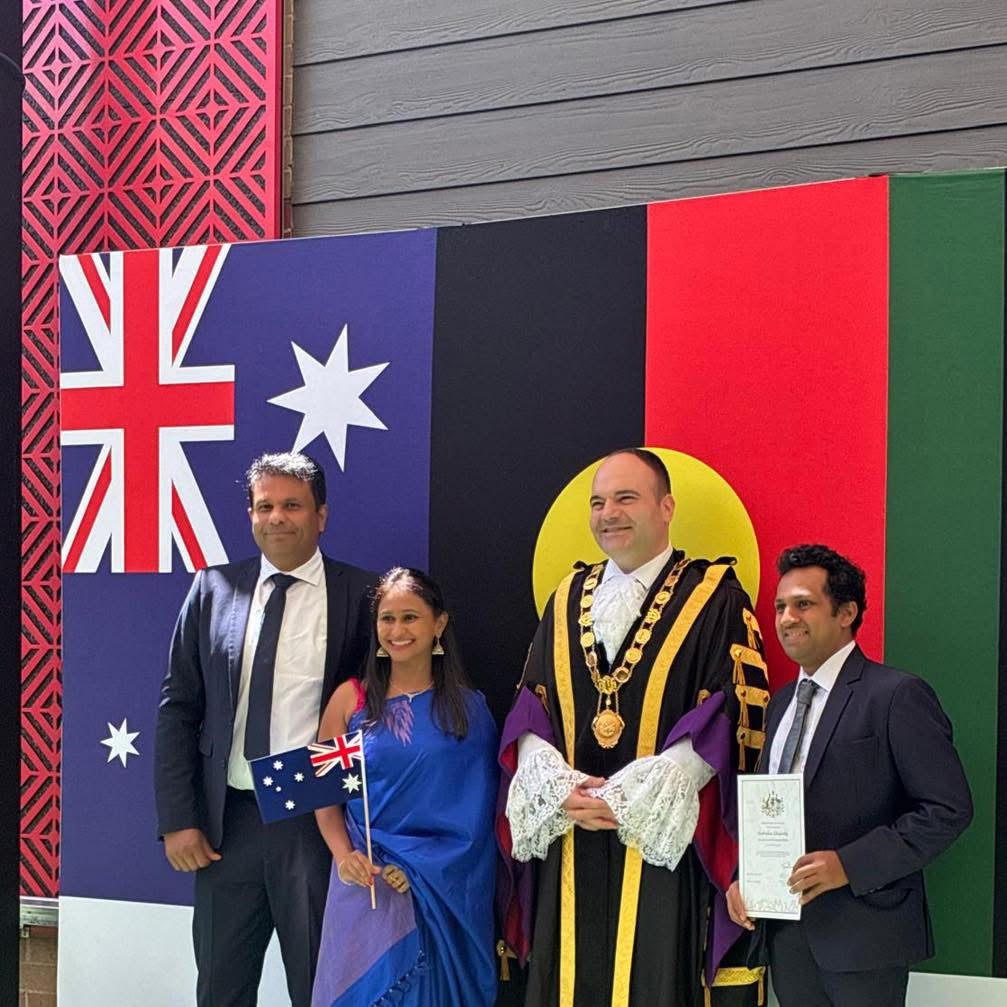
A citizenship ceremony is one of the most meaningful community events we host.
For many families, it marks the end of a long process and the beginning of a new chapter in Australia.
If you are looking for Parramatta citizenship ceremony information, the most useful starting point is knowing what council does, what the Department of Home Affairs does, and what you can realistically expect on the day.
In Parramatta, citizenship ceremonies are formal occasions, but they are also deeply personal. People arrive with grandparents, children, close friends and often a real sense of relief after waiting months for their approval and ceremony date. From a council perspective, these events matter because they welcome new citizens into the civic life of our community. They are not just administrative milestones.
They are a public recognition that our city is shaped by people from many backgrounds who choose to build their lives here.
Parramatta citizenship ceremony information – who runs what
One of the most common areas of confusion is responsibility. The approval of your citizenship application is handled by the Australian Government through the Department of Home Affairs. The ceremony itself is then arranged through the local council for eligible residents once the referral comes through.
That distinction matters because if you are waiting for approval, council cannot speed up the federal assessment. If you have already been approved and are waiting for a ceremony allocation, timing can depend on ceremony scheduling, venue capacity, referral timing and the number of approved applicants in the local area. This is often frustrating for families who want certainty for travel, school enrolments, voting eligibility or simply peace of mind. The reality is that some parts of the process are local, while others sit outside council control.
At City of Parramatta, ceremonies are conducted as official civic events. That means there is a formal program, an authorised presiding officer, the pledge, and presentation of citizenship certificates. There is also a broader purpose behind the format. Council is not only confirming a legal step. It is welcoming residents into the life of the city.
What usually happens before your ceremony
If your citizenship has been approved, you will generally receive advice about your ceremony from the relevant authorities and then details of the event once it is scheduled. The exact lead time can vary. Some people receive notice with comfortable time to plan, while others feel it comes around quickly.
This is where practical preparation helps. Read every part of the notice carefully. Check the date, arrival time, venue details and any instructions about guests, photography or what identification to bring. If anything in the notice is unclear, it is better to ask early than leave it until the last few days.
Families often ask whether they can choose their date. In most cases, ceremony allocations are not something residents freely select. There may be limited flexibility in some circumstances, but generally you attend the ceremony you are assigned. If you cannot attend, there may be a process to advise that and wait for a later ceremony, though that can mean further delay. Whether to postpone depends on your situation. For some people, a clash with work or family commitments can be managed. For others, travel, illness or a significant personal reason makes postponement unavoidable.
What to bring on the day
For most attendees, the day runs more smoothly when they keep things simple. Bring the documents requested in your ceremony notice, arrive early, and give yourself extra time for parking, public transport or helping older relatives and children get settled.
Identification requirements can vary depending on the instructions issued to you, so the key point is not to rely on guesswork. If the notice asks for identification or the official ceremony invitation, bring exactly that. It is also wise to keep your documents together in a folder rather than searching through bags at the entrance desk.
Some residents ask whether they should dress formally. There is no need to overthink it, but it is a special civic occasion, so neat and respectful attire is appropriate. Many families also choose to wear cultural dress, and that contributes to the welcoming, multicultural spirit these ceremonies often reflect.
What the ceremony itself is like
The ceremony is formal, but not intimidating. You will usually be welcomed, guided through the order of events and seated with other conferees before the official proceedings begin. There is often a sense of anticipation in the room, especially for people who have spent years working towards this moment.
A key part of the ceremony is making the citizenship pledge. This is the legal step that makes you an Australian citizen. Until that pledge is made, your citizenship is not complete, even if your application has already been approved. That is why attendance matters so much.
After the pledge, citizenship certificates are presented. This is typically the moment families want captured in photographs, and understandably so. It is a proud milestone. Depending on the format of the event, there may also be remarks recognising the diversity and contribution of new citizens to the local community.
From my perspective as a councillor, this is one of the most rewarding parts of local government. You see people from different countries, faiths and life stories sharing the same moment of belonging. It is a reminder that local government is not only about roads, rubbish collection, planning decisions and parks. It is also about helping people feel that this city is theirs.
Practical questions residents often have
How long does the ceremony take?
It depends on the size of the ceremony and the number of conferees. Some events move quite quickly, while larger ceremonies naturally take longer. If you are bringing young children or elderly family members, plan for a bit of waiting time before and after the formal proceedings.
Can family and friends attend?
Guest arrangements can depend on venue capacity and event management requirements. Some ceremonies can accommodate more family members than others. Always follow the advice in your notice rather than assuming open attendance.
What if I am late?
Do not risk it. Because the ceremony includes formal registration and legal steps, late arrival can create serious problems. If travel on the day is uncertain, leave earlier than you think necessary.
Can children come?
In most cases, families do bring children, especially when the ceremony is a major milestone for the household. The practical question is less about permission and more about comfort. If your child is very young, bring what you need to keep them settled during a formal event.
Parramatta citizenship ceremony information for families planning ahead
For many residents, the ceremony day is not just about attendance. It is a family event. People may plan a meal afterwards, invite relatives from other suburbs, or take photos in local public spaces. If that is your plan, think ahead about timing, transport and mobility needs.
Parramatta can be busy, particularly around civic venues and major transport corridors. If you are travelling with grandparents, prams or several guests, build in extra time. If you are relying on public transport, check for any weekend or evening changes. If you are driving, think about parking before the day rather than after you arrive under pressure.
This may sound like a small detail, but it makes a real difference. The most stressful ceremony days are usually not caused by the ceremony itself. They are caused by last-minute rushing, missing paperwork, transport delays or uncertainty about guest arrangements.
Why these ceremonies matter to our local community
Citizenship ceremonies carry a civic message as well as a personal one. They show that Parramatta is not a place where people merely live side by side. It is a place where people join a shared community and take part in its future.
That matters in a city as diverse and fast-growing as ours. New citizens are parents in local schools, small business owners on our shopping strips, volunteers in community groups, workers in health care and transport, and neighbours who strengthen local life in practical ways every day. A ceremony gives that contribution public recognition.
It also reminds council of its responsibility to keep civic institutions welcoming and accessible. Residents should not feel lost when dealing with important life events. Good public service means giving people clear information, treating them with respect and recognising the human significance behind formal processes.
If you are waiting for your ceremony, I understand the wait can feel long. If your date is coming up soon, I hope you approach it with confidence and a sense of pride. And if you are helping a family member prepare, the best support you can give is often the simplest – help them check the notice, arrive on time, and be present for the moment they make their pledge.
Becoming a citizen is a legal step, but it is also something more enduring. It is a public commitment to belong, contribute and take your place in the life of this community.
