 Skip to the content
A missed bin collection, a dangerous intersection near your child’s school, a planning concern on your street, a park that needs attention – most local issues start small, then become frustrating when you are not sure who to ask. If you are wondering how to contact your local councillor, the good news is that it does not need to be formal, political or complicated.
Councillors are elected to represent the community, raise local concerns, help residents understand council processes and push for practical outcomes. That means your message matters, especially when it is clear, respectful and tied to a real issue affecting people in the area.
When to contact your local councillor
The best time to contact a councillor is when the issue involves local government decisions, services or community wellbeing. That can include road safety, traffic conditions, footpaths, waste collection, trees, parks, community facilities, local development, parking, stormwater, neighbourhood amenity and council policy.
Sometimes residents wait too long because they assume nothing will change. In reality, councillors often rely on feedback from residents to understand what is happening on the ground. A problem that looks minor from the outside can be part of a wider pattern – especially if several people in the same area have raised it.
That said, not every issue sits with council. If the matter involves policing, urgent safety, state roads, tenancy disputes, private legal matters or federal services, your councillor may still point you in the right direction, but they may not be the decision-maker. Knowing that distinction can save time.
How to contact your local councillor in a way that gets traction
The fastest way to improve your chances of a useful response is to be specific. A broad complaint like “traffic is terrible” is understandable, but it is harder to act on than “cars regularly speed along this section of road between 8 am and 9 am, near the school crossing”.
Start with the basics. State who you are, where you live or work, and what the issue is. Give the location, the timing, and what impact it is having. If you have already reported it to council staff, include the reference number. That small detail can make a big difference because it gives the councillor something concrete to follow up.
Photos can help when they show a genuine safety or maintenance issue, but they are not always necessary. What matters more is clarity. A short, factual message is usually more effective than a long email written in frustration.
The best ways to make contact
Most residents contact councillors by email, phone, website enquiry form or in person at community events and listening sessions. Each option has its place.
Email is often the most practical choice because it creates a clear record. It also allows you to attach photos, documents or a previous case number. If your concern is detailed, email is usually the strongest first step.
Phone contact can be useful when the issue is urgent, sensitive or easier to explain in conversation. Some residents also prefer speaking directly because it feels more personal and less formal.
In-person conversations can be valuable too, especially at local events, ward meetings or community forums. These settings can make it easier to raise a concern that has been bothering you but has not yet been put into writing. Even then, it is helpful to follow up afterwards with a written note so the details are not lost.
If you are contacting a councillor for the first time, you do not need special language. Plain English is enough. Polite, direct communication usually works best.
What to include in your message
A strong message has four parts: the issue, the location, the impact, and the outcome you are seeking. You do not need to sound like an expert. You just need to explain the problem in a way that is useful.
For example, if a local park has poor lighting, say where it is, when it becomes a problem, who it affects, and why it matters. Is it creating a safety concern for families? Is it affecting older residents walking in the evening? Is it making the area less usable for the wider community?
It also helps to say what you are asking for. That might be an inspection, a review, a referral to council staff, support for a traffic study, or a request for the matter to be raised in discussion. A councillor cannot always promise the result you want, but a clear request gives them a starting point.
What happens after you contact them
Many residents expect an instant fix, but council matters often move through a process. A councillor may refer the issue to relevant staff, ask for a briefing, request an update, raise the matter in meetings or consider whether it needs broader policy attention.
Some issues are straightforward, such as maintenance follow-up or service concerns. Others are slower because they involve budgets, compliance, engineering advice, strategic planning or legal limits on what council can do. That does not mean your message has been ignored. It usually means the next step depends on assessment, resourcing or formal procedure.
This is where patience and follow-up matter. If you have not heard back after a reasonable time, it is fine to send a polite follow-up asking for an update. Persistence is reasonable. Abuse is not. Respectful communication gives everyone a better chance of solving the problem.
When a local issue is affecting more than just you
Councillors pay close attention when a concern reflects a broader community impact. If neighbours, parents, traders or local groups are experiencing the same issue, say so. Shared concerns can show that a matter is not isolated.
That does not mean you need to organise a campaign for every problem. But if several residents have relevant examples, that added context can strengthen the case for attention. A recurring parking issue near a shopping strip, for instance, may need a different response from a one-off complaint.
In a growing area, this matters even more. Population growth, infrastructure pressure, housing changes and transport demand can create local problems that are felt street by street before they show up in formal reports. Residents often notice the change first.
Local government is not abstract
For many people, council feels distant until something on their own street goes wrong. Then it becomes very real. The condition of the local park, the safety of a crossing, the way development affects neighbourhood character, the cleanliness of public spaces, the support available to community groups – these are not abstract debates. They shape daily life.
That is why contacting your councillor is not about making noise for the sake of it. It is part of local democracy. Done well, it helps connect lived experience with decision-making.
For Parramatta residents, this can be especially important because the city is changing quickly. Growth brings opportunity, but it also raises practical questions about roads, open space, community infrastructure, planning pressures and how council decisions affect existing neighbourhoods. Residents deserve to be heard in that process, not after it.
A few mistakes to avoid
The most common mistake is being too vague. The second is sending your message to the wrong level of government and waiting weeks before realising. The third is assuming a councillor already knows the issue because “everyone talks about it”. Public discussion helps, but direct contact still matters.
Another mistake is treating the first response as the final answer. Sometimes the first reply is only an acknowledgement or referral. If the issue remains unresolved, there may still be room for further follow-up, more evidence or a different pathway.
It is also worth avoiding language that turns a local issue into a personal attack. You can be firm without being hostile. That approach is not just more respectful – it is usually more effective.
Why approachable councillors matter
Residents should not feel they need insider knowledge to raise a concern. A good councillor is accessible, grounded and willing to listen, whether the issue is large or small. That is often what people value most – not polished rhetoric, but someone who pays attention, explains the process honestly and keeps the community informed.
This is especially true in diverse communities where people come from different language backgrounds, levels of civic confidence and experiences with government. Accessibility is not a nice extra. It is part of representation.
In Parramatta, that people-first approach matters because local issues touch families, business owners, new arrivals, long-term residents and community groups in different ways. Practical help, clear communication and follow-through build trust over time.
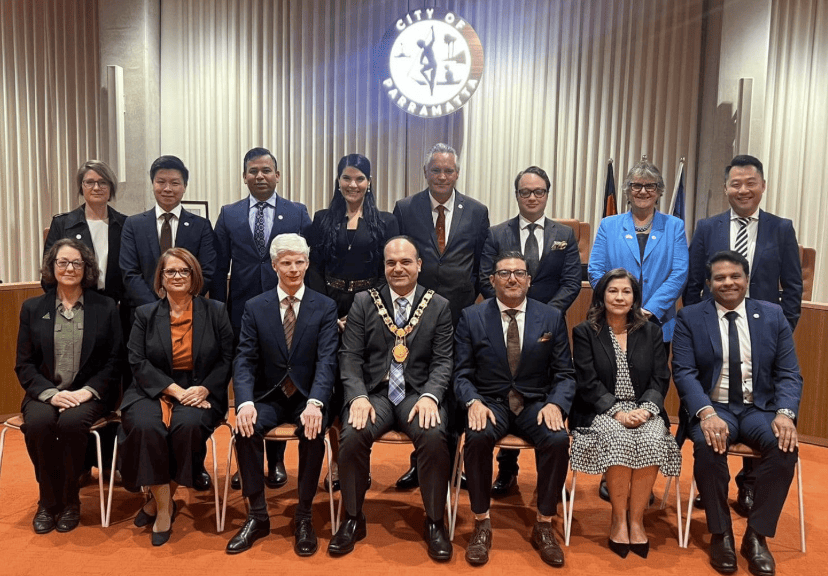
Councillor Sreeni Pillamarri’s public role reflects that same service mindset – being available, listening carefully and staying focused on the local concerns that affect everyday life.
If you are unsure, ask anyway
You do not need to know every council process before making contact. If you are unsure whether your issue belongs with council, ask. If you are unsure how to explain it, keep it simple. If you are unsure whether it is worth raising, remember that local government works best when residents speak up early, clearly and constructively.
The first message does not need to be perfect. It just needs to start the conversation. Often, that is how better local outcomes begin.
