 Skip to the content
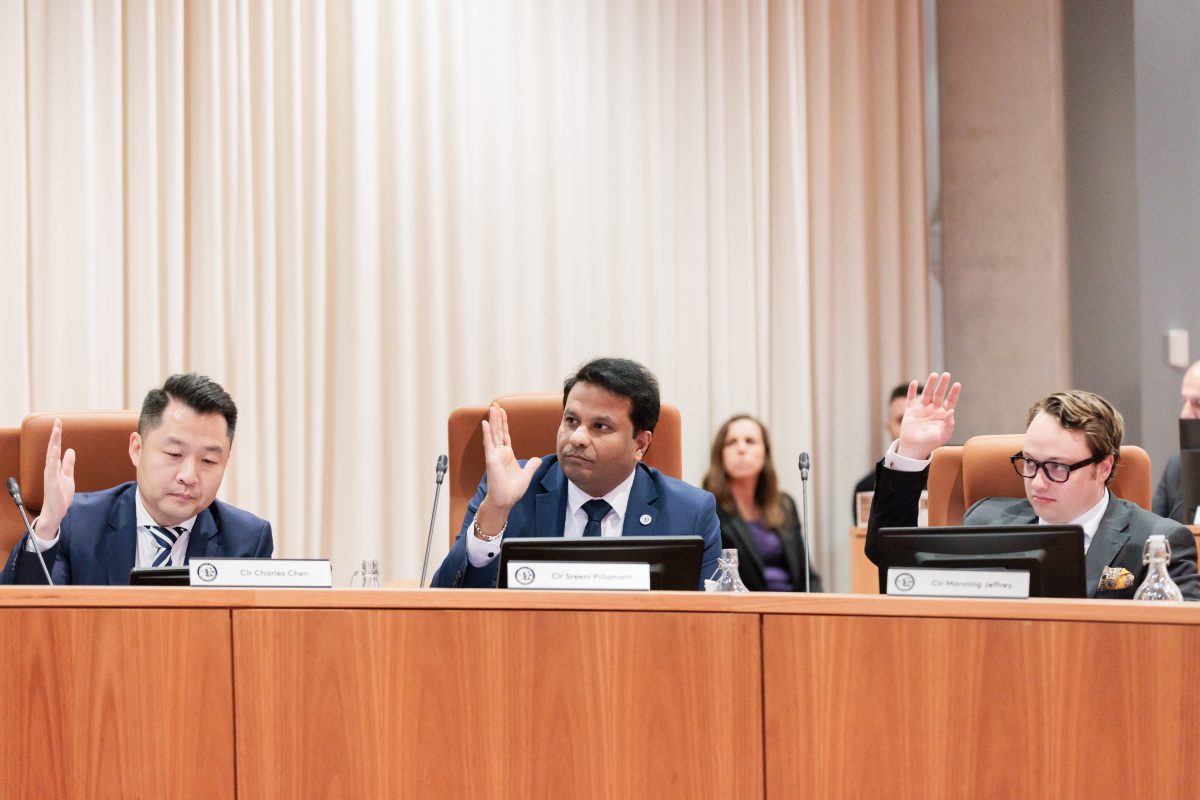
If you have ever opened a Parramatta Council meeting agenda and wondered what half of it really means, you are not alone.
For many residents, the agenda can look like a stack of formal papers. In reality, it is one of the clearest windows into what Council is about to decide on your behalf – from roads and parks to development, waste, community programs and local planning.
An agenda matters because decisions do not appear out of nowhere. They are proposed, documented, debated and voted on.
When residents understand what is on the agenda before a meeting, they are far better placed to ask questions, raise concerns and follow issues that affect their street, business, family or neighbourhood.
What the Parramatta Council meeting agenda actually tells you
At its core, the agenda is the official list of business for a Council meeting. It sets out what councillors will consider, the reports prepared by Council staff, recommendations for action and any supporting background needed to make a decision.
That sounds procedural, but the real value is practical. If there is a proposed change to parking conditions, a major development application, an update on community safety, budget spending, tree management, flood planning or local infrastructure, the agenda is often where you first see the details gathered in one place.
For residents, this is where local government becomes real. It is not just policy language. It is the footpath that has not been repaired, the traffic pressure outside a school, the future of a park, the pace of growth in a town centre, or the support available for community groups.
Why reading the agenda before the meeting makes a difference
By the time a vote happens in the chamber, much of the groundwork has already been done. Reports have been written, options weighed up and recommendations drafted. That is why reading the agenda early is useful. It gives residents time to understand what is being proposed instead of reacting after the decision has already been made.
This is especially important when a matter looks minor on paper but has broader effects in real life. A line item about traffic management may affect school drop-off safety. A report on planning controls may influence building heights, overshadowing, local character or pressure on roads and services. A budget item may show what is being prioritised now and what is being deferred.
There is also a trust and accountability benefit. Council decisions should not feel distant or mysterious. The more residents engage with the agenda, the stronger local democracy becomes. It creates a better conversation between councillors and the community because everyone is working from the same information.
How to read a Parramatta Council meeting agenda without getting lost
The easiest way to approach an agenda is not to read it like a legal document from start to finish. Read it like a resident looking for the issues that touch your life.
Start with the meeting type and date. Not every meeting deals with the same matters. Some are ordinary Council meetings, while others may focus on committees, planning or specific governance processes. Knowing the meeting context helps set expectations.
Then scan the item headings. You do not need to study every page in detail straight away. Look for the subjects that are relevant to you – development, traffic, environment, community services, assets, finance, or neighbourhood concerns.
Once you identify a relevant item, read the officer report and especially the recommendation. The recommendation often tells you what decision is being asked of councillors.
It is also worth checking whether a report includes attachments, consultation outcomes or maps. These can contain the practical detail residents care about most. A short recommendation can sound harmless until you read the attachment and realise it affects access, parking, open space, heritage, flooding or future redevelopment.
That said, not every item is controversial. Some are routine, administrative or required by regulation. The challenge is knowing which reports are straightforward housekeeping and which deserve closer public attention. That judgement improves over time as you become more familiar with how Council works.
The issues residents should watch most closely
In a growing area, agendas often reflect the pressure points residents are already talking about. Development is usually one of them. People want growth managed properly, with attention to infrastructure, traffic, drainage, public space and the liveability of existing communities. The agenda can reveal whether growth is being matched by planning discipline or whether residents may need to speak up.
Another key area is roads, transport and pedestrian safety. Families care deeply about dangerous intersections, school zones, speeding, parking and access. Local businesses care about loading zones, customer parking and construction disruption. Agenda papers can show when these issues are under review and what solutions are being considered.
Parks, sport and community facilities also matter. A growing population needs usable green space, maintained playgrounds, halls, libraries and places where people from different backgrounds can gather. These items might not always generate headlines, but they shape daily life and social connection.
Then there is financial stewardship. Budgets, capital works and procurement decisions can look technical, yet they reveal Council priorities very clearly. Where money goes tells residents what will be delivered, delayed or reconsidered.
What councillors are weighing up behind each item
Residents sometimes assume that every agenda item has an obvious right answer. Often it does not. Councillors are usually balancing competing needs – growth and amenity, investment and affordability, access and safety, local expectations and legal constraints.
A proposal may have genuine benefits while still creating concern for nearby residents. A project may be worthwhile in principle but poorly timed or in need of changes. Sometimes the best decision is to support an item. Sometimes it is to amend it, defer it for more information, or oppose it because the community impact has not been properly addressed.
That is why public engagement matters. Reports provide one view of the issue, but residents provide lived experience. They know the traffic build-up that is not obvious on a map, the flooding after heavy rain, the anti-social behaviour at a poorly lit location, or the parking overflow from nearby development. When people raise these issues clearly and early, it can improve outcomes.
How residents can respond to agenda items constructively
The most effective community feedback is specific, respectful and tied to the actual proposal. General frustration rarely changes a decision. Clear points often do.
If a matter affects you, focus on what the proposal will change and why that change matters. Explain the practical impact on safety, access, local business, amenity, drainage, traffic flow or community use. If possible, refer to the item itself rather than broad politics. Councillors need usable information they can weigh alongside the report.
Timing also matters. Waiting until after a decision is made limits the options. Following the agenda before the meeting gives residents a better opportunity to engage, whether through public participation processes, direct communication or simply being informed enough to track the outcome.
For multicultural communities, there can be another barrier: council documents are not always easy to follow if English is not your first language. That does not mean your voice matters less. It means Council and elected representatives need to keep explaining decisions in a more accessible way, with patience and clarity.
A people-first view of Council business
Public trust grows when residents can see that council business connects to everyday life. That is the standard I believe local government should meet. An agenda should not feel like a closed document for insiders. It should help the community understand what is being decided, why it matters and where their concerns fit.
That is particularly true in a place as diverse and fast-changing as ours. Families want safe streets and good parks. Seniors want access and services. Young people want opportunities and spaces to belong. Small business owners want practical support and sensible planning. New migrants want clear pathways into civic life. The agenda is not separate from these priorities. It is where many of them begin to take shape.
Some meetings will deal with major issues. Others will seem routine. Both matter. Routine decisions build the everyday quality of local government, while major decisions can reshape whole precincts. Residents do not need to become policy experts overnight. But knowing how to read the Parramatta Council meeting agenda is one of the simplest ways to stay connected to what Council is doing in your name.
If a local issue is affecting your family, your street or your business, do not assume someone else is watching it for you. A few minutes spent reading the agenda can give you a clearer picture, a stronger voice and a better chance to be heard before the decision is made.
