 Skip to the content
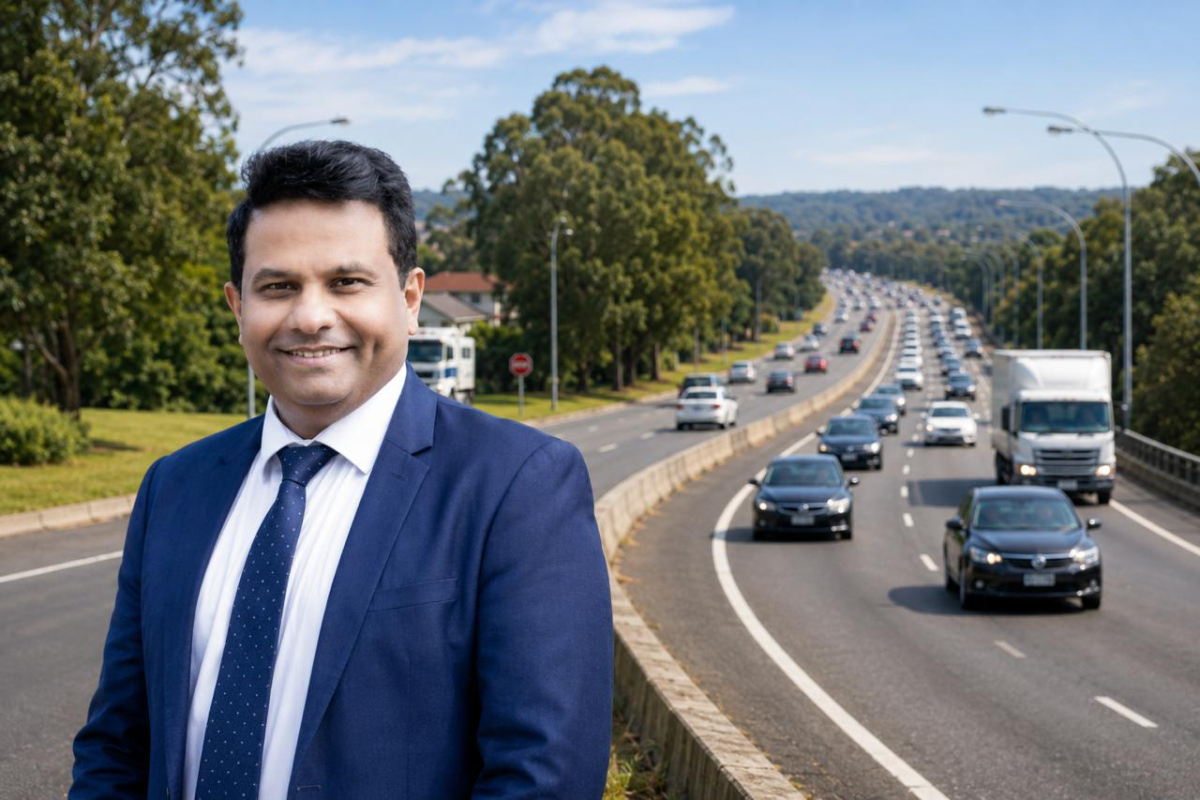
If you have ever reported a pothole, asked for a pedestrian crossing, or wondered why one road gets resurfaced quickly while another seems stuck in a long approval process, you have already run into the difference between council roads and state roads operate in practice.
For residents, it can feel like one road network. In government, it is not. Who owns the road, who maintains it, and who makes decisions about changes can be very different depending on whether it is a local council road or a state road.
This matters because the answer affects how quickly issues are handled, which authority can act, and what kind of advocacy is needed to get a result. For families walking to school, business owners managing deliveries, and drivers dealing with congestion, the distinction is not technical trivia. It shapes day-to-day life.
Why the difference between council roads and state roads operate matters
A council road is generally a local road managed by the local council. These are the streets that connect neighbourhoods, homes, parks, schools, shopping strips and local services.
In a place like Parramatta, that often means roads where residents notice issues such as faded line marking, local drainage problems, footpath gaps, street trees affecting visibility, or the need for traffic calming.
A state road, by contrast, is usually part of a broader transport network managed by the NSW Government through Transport for NSW or related agencies.
These roads carry larger traffic volumes, connect major centres, and support buses, freight and regional movement. They often involve bigger budgets, more complex approvals and stronger state-level planning controls.
The practical difference is simple. If it is a council road, council usually has direct responsibility for maintenance and many local traffic matters.
If it is a state road, council may still advocate, consult and raise local concerns, but final decisions often sit with the state.
Who does what on council roads and state roads
The biggest source of confusion is responsibility. Residents understandably assume the authority closest to them can fix every issue. Sometimes that is true. Sometimes it is not.
On council roads, local government is typically responsible for routine maintenance such as pothole repairs, resurfacing, kerb and gutter work, drainage linked to the roadway, local signs, some parking controls, and footpath connections nearby.
Councils also play a major role in reviewing local traffic conditions and considering community feedback about speed management, crossings and safety improvements.
On state roads, responsibility shifts. The state manages the strategic road function, which can include lane changes, signals, major resurfacing, bus priority, freight access, and upgrades that affect network flow.
Even where a local issue appears obvious, the road may be carrying wider metropolitan traffic, so the state will assess it through a broader lens than a single street or suburb.
That does not mean council is irrelevant on state roads. Far from it. Councils are often the bridge between residents and the state system.
We receive complaints, gather evidence, support submissions, raise urgent concerns and push for practical outcomes. But advocacy is not the same as direct control.
How decisions are made
The way decisions happen is another key part of how council roads and state roads operate differently.
For council roads, requests often begin with resident reports, council inspections, engineering assessments, traffic studies or recommendations from local traffic committees.
These matters are weighed against safety data, budget limits, asset condition and competing priorities across the local government area.
A repair that looks small from the street can still depend on budget timing, procurement, weather and whether the issue is isolated or part of a larger asset renewal program.
For state roads, there is usually another layer. The state agency will consider traffic modelling, corridor planning, bus routes, freight implications, nearby intersections and consistency across the wider network.
This can make the process slower, even when the need feels urgent locally. It can also mean the answer is not always the one residents expect.
A right-turn ban, for example, may improve network performance but frustrate nearby businesses or households.
This is where local advocacy matters most. Good outcomes often depend on presenting clear evidence, community impact and practical alternatives rather than simply saying residents are unhappy.
What residents usually notice first
Most people do not ask whether a road is local or state managed until something goes wrong. The issue might be a pothole, speeding, traffic noise, poor lighting near a crossing, or confusing parking restrictions.
The challenge is that the same kind of problem can lead to very different response pathways depending on the road category.
Take a local street near homes and schools. If speeding becomes a pattern, council can usually investigate traffic calming measures, signage or referral through the local traffic process. On a state road, speed settings and road design changes are likely to require state approval, detailed review and longer coordination.
The same applies to parking. On council roads, local restrictions may be reviewed in response to resident concerns, business turnover needs or safety issues near driveways and intersections.
On state roads, parking decisions may be influenced by bus lanes, arterial traffic flow and strategic transport objectives that go well beyond the immediate area.
Why some issues take longer than expected
Residents are often right to feel frustrated when a hazard appears obvious. But road management is rarely as simple as sending a crew the next morning.
Some repairs are straightforward. Others need investigation because the visible problem is a symptom rather than the cause.
A recurring pothole may point to drainage failure under the pavement. A dangerous intersection may require crash analysis, traffic counts and consultation with several agencies.
A request for a crossing near shops may seem sensible but still need to meet engineering warrants and accessibility standards.
There is also the matter of budget. Councils manage large networks with finite funding. State agencies do the same, though at a different scale. Every decision sits among competing priorities including schools, parks, waste services, stormwater, public transport integration and long-term infrastructure planning.
That is why honest communication matters. Residents deserve to know not just whether something will happen, but who is responsible, what stage it is at, and what realistic timeframe applies.
What this means for Parramatta residents
In a growing area, the difference between council roads and state roads operate becomes even more visible. Parramatta is dealing with population growth, major development, changing travel patterns, school traffic, construction impacts and the need to balance local access with regional movement.
A road that serves local residents can also be under pressure from commuters, buses and delivery vehicles.
This puts extra importance on coordinated planning. Council has a direct role in local streets, footpaths, neighbourhood safety and place-based improvements.
At the same time, many of the most heavily used corridors rely on state decisions. When residents raise concerns, part of effective representation is knowing which matters can be fixed locally and which require persistent engagement with state authorities.
That is also why community feedback should be specific. It helps to report the exact location, time of day, type of problem, whether children, older residents or people with disability are affected, and whether the issue is ongoing or linked to recent changes. Practical details strengthen the case for action.
A simple way to think about it
If the road mainly serves the local neighbourhood, council is more likely to manage it directly. If the road is a major connector carrying wider traffic across Sydney or linking significant centres, it is more likely to be state managed. There are exceptions, but that rule of thumb helps.
The more useful point, though, is this. Residents should not have to become road governance experts to be heard.
Good local representation means helping people understand the system, raising concerns through the right channel, and keeping pressure on until there is a clear response.
In my role as a councillor, that often means translating government process into plain language and making sure community concerns do not get lost between agencies.
Roads are not just asphalt and line marking. They shape safety, access, business activity, school travel and how connected a suburb feels.
When people understand how council roads and state roads operate, they are in a stronger position to ask the right questions and push for outcomes that reflect local needs.
If a road issue is affecting your street, your school run or your business, the most helpful next step is to report it clearly and early – because the right action usually starts with the right authority.
