Categories
Uncategorized

Parramatta – Investment Opportunities Guide

Parramatta is changing in ways residents can see from the street level – new homes, more local jobs, busier centres, better public spaces, and ongoing pressure on roads, schools and services.

Any Parramatta investment opportunities guide worth reading needs to look beyond sales talk and ask a simpler question: what kinds of investment actually help our community grow well, not just grow fast?

From a local government perspective, investment is not only about private returns. It is also about whether growth supports liveable neighbourhoods, stronger local businesses, safer streets, and services that keep pace with population change.

That is the lens many residents bring to the issue, and rightly so.

Why a Parramatta investment opportunities guide needs a local lens

Parramatta sits at the centre of major change across Western Sydney. That creates opportunity, but it also creates tension. Residents want jobs close to home, thriving town centres and better infrastructure.

At the same time, they do not want growth that overwhelms parking, traffic, open space or neighbourhood character.

That is why investment conversations cannot be left to glossy brochures or broad economic forecasts. Council decisions on planning, public domain upgrades, transport advocacy, community infrastructure and local business support shape whether an area becomes more attractive, functional and resilient.

State government policies also have a strong influence, especially where major transport and housing decisions are involved.

For families and homeowners, the question is often whether local investment will improve day-to-day life. For business owners, it is whether there will be enough customer activity, access and confidence to justify expansion.

For community members from migrant and multicultural backgrounds, it may also be about whether growth is inclusive and delivers real pathways to participation and enterprise.

Where the strongest Parramatta investment opportunities are emerging

The biggest opportunities tend to sit where public investment, planning certainty and community demand meet.

Town centres and mixed-use precincts

Parramatta and surrounding centres continue to attract attention because people want places where they can live, work, shop and access services without travelling long distances.

Mixed-use precincts are often appealing because they combine residential demand with ground-floor commercial activity and improved pedestrian movement.

But not every mixed-use proposal is automatically good for the area. The quality of design, traffic management, public amenities and local accessibility matters.

If development moves ahead without those basics, the long-term value to the community can fall short.

Small business and main street renewal

Not all investment opportunity is tied to large projects. In many cases, the strongest local outcomes come from supporting small business growth in established centres.

Cafes, professional services, medical practices, cultural businesses, education providers and family-run retail can all benefit when streets are safer, cleaner and more inviting.

Council-led improvements to lighting, public spaces, footpaths, parking management and local events can influence whether a main street becomes more active or struggles to compete. For many residents, that sort of practical investment feels more real than large announcements.

Housing tied to infrastructure capacity

Housing remains one of the biggest local issues. There is demand, and there is pressure to deliver more supply. That creates investment interest across several parts of the council area. Yet the real question is whether housing growth is matched by drainage, roads, schools, parks, community facilities and transport.

Where infrastructure is planned well, housing investment can help build stronger neighbourhoods.

Where it is not, frustration grows quickly. Residents know the difference.

Community-serving sectors

Parramatta’s growth also creates opportunity in sectors that meet everyday needs – health, education, childcare, aged care, recreation and local services.

These are often less talked about than commercial towers or large residential projects, but they matter deeply to quality of life.

From a civic point of view, these investments can deliver stable local benefit because they support jobs and services people actually use.

They can also strengthen social connection, especially in diverse communities where local access matters.

What council decisions tell you about future opportunity

A practical Parramatta investment opportunities guide should pay close attention to council priorities because local decision-making often signals where confidence may build over time.

When council invests in public spaces, upgrades streetscapes, supports cultural programming, advocates for transport, or improves local facilities, it often lifts the appeal of nearby areas. Businesses notice that. Residents notice it too.

Planning frameworks also matter. Clearer planning settings can reduce uncertainty for appropriate development, while stronger protections can help preserve valued neighbourhood features. Neither approach is about stopping change entirely. It is about guiding change so it works for the community.

This is where the public often wants honesty rather than slogans. Some developments should move faster. Some need closer scrutiny. Some may be technically possible but still poor outcomes if they strain local infrastructure or ignore community concerns.

The trade-offs residents should watch carefully

Investment can bring jobs, rates growth, better services and more activity. It can also bring congestion, construction impacts and pressure on public amenities. Pretending otherwise does not help anyone.

One common trade-off is between density and liveability. More people can support better retail, transport and local services.

Yet if buildings are approved without enough green space, parking management or traffic planning, people feel the pressure quickly.

Another trade-off is between major projects and local character. Renewal can lift an area, but communities do not want every place to become interchangeable. Heritage, culture, community identity and long-standing small businesses matter.

Affordability is another serious issue. Investment interest can increase values and support local confidence, but it can also put pressure on renters, first-home buyers and small businesses facing higher costs. Good policy should not treat those outcomes as an afterthought.

A people-first way to think about investment

Residents do not need a property pitch. They need clear thinking about what kind of growth serves the public interest.

A people-first approach asks a few straightforward questions. Will this create jobs close to home? Will it improve access to services? Will it support safer and more welcoming public spaces? Will it respect existing communities while planning for new ones? And will the infrastructure arrive in step with the growth?

Those questions are especially important in a city as diverse and fast-growing as ours. Investment should not only benefit those already well positioned. It should also help families, migrants, young people, seniors and small business owners feel that Parramatta remains a place where they can build a future.

That is why community consultation, transparent decision-making and practical follow-through matter so much. Residents are far more willing to support change when they can see how it benefits everyday life.

What local business owners and residents should keep in mind

For business owners, the best opportunities often come from understanding local movement patterns rather than chasing hype. Areas with improving public domain, growing residential catchments and strong service demand may offer more stable long-term value than trend-driven speculation.

For residents, it helps to look at the full picture. A new development or investment proposal should not be judged only by its size or marketing. Consider whether roads, parks, drainage, public transport and community spaces are keeping pace. Consider too whether local voices have genuinely been heard.

For civic participants, there is a clear role in shaping outcomes. Council meetings, consultations and community feedback processes matter because they influence how growth is managed. Good investment does not happen in isolation from public trust.

As Councillor Sreeni Pillamarri often emphasises through a service-first approach to local issues, residents want leadership that is available, practical and focused on real outcomes. Investment decisions should be tested against that same standard.

The real opportunity for Parramatta

The real opportunity is not simply more development. It is better development – the kind that strengthens neighbourhoods, supports local enterprise, and gives people confidence that growth is being handled with care.

Parramatta has every reason to be ambitious. It is a major civic, business and community centre with strong potential ahead. But the measure of success is not how many announcements are made.

It is whether families can move around safely, whether local businesses can thrive, whether services are accessible, and whether residents feel proud of the places they call home.

If you are thinking about Parramatta’s future, start there.

The best investment opportunities are the ones that leave the community stronger than they found it.

Let’s get connected.

Categories
Uncategorized

Local Grants for Community Groups NSW

A good community idea often stalls for a simple reason – money. Not a huge amount, necessarily, but enough to hire a hall, buy equipment, print materials, cover insurance or run a pilot program.

For many residents asking about local grants for community groups NSW, the real challenge is not motivation. It is knowing where to start, what councils and government bodies actually fund, and how to put forward an application that reflects genuine local need.

In Parramatta and across NSW, community groups do an enormous amount of work that councils and governments could never deliver alone.

They support seniors, create safer spaces for young people, celebrate cultural diversity, improve neighbourhood connections and respond quickly when families are under pressure. Grants can help that work grow, but funding is rarely as simple as filling in a form and waiting for a yes.

Where local grants for community groups NSW usually come from

When people talk about grants, they often think of one big government pool. In practice, funding comes through several channels, and each one has its own purpose. Local councils may offer community grants, event grants, environmental grants, arts funding or small neighbourhood support programs. State government departments can fund sport, youth programs, multicultural initiatives, seniors activities, emergency resilience and community infrastructure. Sometimes federal programs are also relevant, especially for social inclusion, disability access or local recovery projects.

That matters because the strongest application is not the one with the most polished language. It is the one that fits the intent of the program. A small volunteer-led association seeking funds for a local cultural gathering may be much better suited to a council community grant than a major state program designed for large-scale infrastructure.

For community groups in and around Parramatta, this is where practical local knowledge matters. A grant round may look broad on paper, but the assessment often turns on whether the project clearly serves residents, fills a gap, and can be delivered responsibly within the proposed budget.

What assessors usually want to see

Most funding bodies are trying to answer a few straightforward questions. Is there a real need? Will local people benefit? Can this group deliver the project? Is the budget realistic? Will the money create value rather than duplicate something that already exists?

That means community groups should spend less time trying to sound impressive and more time showing they understand their area. A simple statement backed by local experience can be powerful. If families in a neighbourhood struggle to access affordable after-school activities, say that clearly. If a migrant community needs translated information sessions because members are missing out on services, explain the barrier in plain language.

Assessors also notice when an application is too ambitious. A modest, well-planned project with clear outcomes will often be more competitive than a grand proposal with uncertain delivery. It depends on the grant, of course, but overreach is a common reason otherwise worthy ideas fall short.

Strong applications are usually specific

Specificity builds trust. Instead of saying a project will support community wellbeing, explain how many sessions will run, who they are for, where they will take place and what success looks like. If your group wants funding for sports equipment, say how many participants will use it and why current equipment is not fit for purpose. If you want support for an event, explain how it will improve local participation, inclusion or neighbourhood connection.

This is especially important for newer groups. You do not need a long history to apply for funding, but you do need to show that the proposal is grounded in reality.

The common mistakes that cost community groups funding

One of the most common problems is applying too late. Many groups hear about a grant near the closing date and rush through the process. That often leads to missing documents, vague budgets and weak answers. A better approach is to keep a simple grants calendar and prepare core material in advance, including your group description, committee details, insurance information and a short summary of past activities.

Another issue is poor alignment. If a grant is aimed at social cohesion, the application should not read like a shopping list for equipment unless that equipment is directly tied to community outcomes. If the program focuses on youth engagement, explain how young people have shaped the idea or will benefit in a measurable way.

Budget errors are also surprisingly common. Some groups ask for rounded figures without showing how costs were calculated. Others forget to include in-kind support, volunteer hours or venue contributions that strengthen the case. A realistic budget tells assessors that the group understands the work involved and is likely to manage public funds responsibly.

Then there is the question of evidence. Not every application needs formal research, but most benefit from something concrete – attendance records from previous events, community feedback, letters of support, waiting lists, local observations or examples of demand. Even brief evidence can make a proposal more credible.

How councils can support better grant outcomes

From a councillor’s perspective, one of the most valuable roles council can play is making grants more understandable and accessible. Community funding should not feel like an insiders’ process. Smaller associations, multicultural groups and first-time applicants often have strong local ideas but limited administrative capacity. If the process is too technical, the system risks favouring organisations with paid staff over grassroots volunteers.

This is why clear guidelines, practical information sessions and transparent criteria matter. It is also why councils should think carefully about equity in grant design. A small grant program can have a significant local impact if it reaches the groups who are closest to emerging community needs.

At the City of Parramatta Council level, this is part of a broader conversation about how we support residents who are already doing the work of building stronger neighbourhoods. Grants are not a substitute for core services, and they should not be treated that way. But they can be a smart and timely way to back community leadership where it is already active.

A practical approach for finding the right grant

If your group is looking for funding, start with the project, not the grant. Be clear about what you want to deliver, who it is for, and what problem it solves. Once that is settled, look for the funding stream that best matches the purpose.

It also helps to separate one-off needs from ongoing needs. Grants are usually better for time-limited projects, community events, equipment purchases or pilot programs than for permanent staffing or recurrent operating costs. Some groups build plans around grant money for work that really needs stable annual funding, and that creates risk later.

Partnerships can strengthen an application, but only when they are genuine. A school, local service, sporting club, cultural association or neighbourhood centre can help broaden reach and credibility. Still, assessors can tell when a partnership exists only on paper. If you include partners, explain their role clearly.

Local grants for community groups NSW work best when groups plan early

Early planning gives your group room to test the idea, gather support and tighten the budget before deadlines arrive. It also gives time to check eligibility. Some grants require incorporation, an ABN, insurance or auspicing arrangements. Others may exclude political activity, religious promotion or projects already funded elsewhere.

For volunteer groups, this preparation can feel burdensome. That is understandable. People give their time to serve the community, not to become grant administrators. But a little structure at the start can save disappointment later.

Why this matters beyond the funding itself

The value of grants is not only in the cheque. A good grant process can help a community group sharpen its purpose, strengthen governance and build confidence. It can turn an informal local effort into something more sustainable. It can also help councils and government better understand what residents are trying to achieve at the ground level.

There is, however, a trade-off. Grants can encourage innovation, but they can also create stop-start community activity if funding is fragmented and short term. That is why decision-makers should keep listening to local organisations after grants are awarded, not just at application time. The best funding systems learn from what worked, what struggled and what local people actually needed.

For residents, volunteers and community organisers across NSW, the message is simple. Do not assume grants are only for large organisations or professional applicants. Many strong local projects begin with a few committed people who know their neighbourhood well and can explain, clearly and honestly, why support is needed.

If your group has an idea that would make your local area safer, more connected, more inclusive or more active, it is worth exploring the options carefully. The strongest applications are rarely the flashiest. They are the ones that reflect real people, real need and a genuine commitment to delivering something useful for the community.

Categories
Uncategorized

Parramatta Council Meeting Agenda Explained

If you have ever opened a Parramatta Council meeting agenda and wondered what half of it really means, you are not alone.

For many residents, the agenda can look like a stack of formal papers. In reality, it is one of the clearest windows into what Council is about to decide on your behalf – from roads and parks to development, waste, community programs and local planning.

An agenda matters because decisions do not appear out of nowhere. They are proposed, documented, debated and voted on.

When residents understand what is on the agenda before a meeting, they are far better placed to ask questions, raise concerns and follow issues that affect their street, business, family or neighbourhood.

What the Parramatta Council meeting agenda actually tells you

At its core, the agenda is the official list of business for a Council meeting. It sets out what councillors will consider, the reports prepared by Council staff, recommendations for action and any supporting background needed to make a decision.

That sounds procedural, but the real value is practical. If there is a proposed change to parking conditions, a major development application, an update on community safety, budget spending, tree management, flood planning or local infrastructure, the agenda is often where you first see the details gathered in one place.

For residents, this is where local government becomes real. It is not just policy language. It is the footpath that has not been repaired, the traffic pressure outside a school, the future of a park, the pace of growth in a town centre, or the support available for community groups.

Why reading the agenda before the meeting makes a difference

By the time a vote happens in the chamber, much of the groundwork has already been done. Reports have been written, options weighed up and recommendations drafted. That is why reading the agenda early is useful. It gives residents time to understand what is being proposed instead of reacting after the decision has already been made.

This is especially important when a matter looks minor on paper but has broader effects in real life. A line item about traffic management may affect school drop-off safety. A report on planning controls may influence building heights, overshadowing, local character or pressure on roads and services. A budget item may show what is being prioritised now and what is being deferred.

There is also a trust and accountability benefit. Council decisions should not feel distant or mysterious. The more residents engage with the agenda, the stronger local democracy becomes. It creates a better conversation between councillors and the community because everyone is working from the same information.

How to read a Parramatta Council meeting agenda without getting lost

The easiest way to approach an agenda is not to read it like a legal document from start to finish. Read it like a resident looking for the issues that touch your life.

Start with the meeting type and date. Not every meeting deals with the same matters. Some are ordinary Council meetings, while others may focus on committees, planning or specific governance processes. Knowing the meeting context helps set expectations.

Then scan the item headings. You do not need to study every page in detail straight away. Look for the subjects that are relevant to you – development, traffic, environment, community services, assets, finance, or neighbourhood concerns.

Once you identify a relevant item, read the officer report and especially the recommendation. The recommendation often tells you what decision is being asked of councillors.

It is also worth checking whether a report includes attachments, consultation outcomes or maps. These can contain the practical detail residents care about most. A short recommendation can sound harmless until you read the attachment and realise it affects access, parking, open space, heritage, flooding or future redevelopment.

That said, not every item is controversial. Some are routine, administrative or required by regulation. The challenge is knowing which reports are straightforward housekeeping and which deserve closer public attention. That judgement improves over time as you become more familiar with how Council works.

The issues residents should watch most closely

In a growing area, agendas often reflect the pressure points residents are already talking about. Development is usually one of them. People want growth managed properly, with attention to infrastructure, traffic, drainage, public space and the liveability of existing communities. The agenda can reveal whether growth is being matched by planning discipline or whether residents may need to speak up.

Another key area is roads, transport and pedestrian safety. Families care deeply about dangerous intersections, school zones, speeding, parking and access. Local businesses care about loading zones, customer parking and construction disruption. Agenda papers can show when these issues are under review and what solutions are being considered.

Parks, sport and community facilities also matter. A growing population needs usable green space, maintained playgrounds, halls, libraries and places where people from different backgrounds can gather. These items might not always generate headlines, but they shape daily life and social connection.

Then there is financial stewardship. Budgets, capital works and procurement decisions can look technical, yet they reveal Council priorities very clearly. Where money goes tells residents what will be delivered, delayed or reconsidered.

What councillors are weighing up behind each item

Residents sometimes assume that every agenda item has an obvious right answer. Often it does not. Councillors are usually balancing competing needs – growth and amenity, investment and affordability, access and safety, local expectations and legal constraints.

A proposal may have genuine benefits while still creating concern for nearby residents. A project may be worthwhile in principle but poorly timed or in need of changes. Sometimes the best decision is to support an item. Sometimes it is to amend it, defer it for more information, or oppose it because the community impact has not been properly addressed.

That is why public engagement matters. Reports provide one view of the issue, but residents provide lived experience. They know the traffic build-up that is not obvious on a map, the flooding after heavy rain, the anti-social behaviour at a poorly lit location, or the parking overflow from nearby development. When people raise these issues clearly and early, it can improve outcomes.

How residents can respond to agenda items constructively

The most effective community feedback is specific, respectful and tied to the actual proposal. General frustration rarely changes a decision. Clear points often do.

If a matter affects you, focus on what the proposal will change and why that change matters. Explain the practical impact on safety, access, local business, amenity, drainage, traffic flow or community use. If possible, refer to the item itself rather than broad politics. Councillors need usable information they can weigh alongside the report.

Timing also matters. Waiting until after a decision is made limits the options. Following the agenda before the meeting gives residents a better opportunity to engage, whether through public participation processes, direct communication or simply being informed enough to track the outcome.

For multicultural communities, there can be another barrier: council documents are not always easy to follow if English is not your first language. That does not mean your voice matters less. It means Council and elected representatives need to keep explaining decisions in a more accessible way, with patience and clarity.

A people-first view of Council business

Public trust grows when residents can see that council business connects to everyday life. That is the standard I believe local government should meet. An agenda should not feel like a closed document for insiders. It should help the community understand what is being decided, why it matters and where their concerns fit.

That is particularly true in a place as diverse and fast-changing as ours. Families want safe streets and good parks. Seniors want access and services. Young people want opportunities and spaces to belong. Small business owners want practical support and sensible planning. New migrants want clear pathways into civic life. The agenda is not separate from these priorities. It is where many of them begin to take shape.

Some meetings will deal with major issues. Others will seem routine. Both matter. Routine decisions build the everyday quality of local government, while major decisions can reshape whole precincts. Residents do not need to become policy experts overnight. But knowing how to read the Parramatta Council meeting agenda is one of the simplest ways to stay connected to what Council is doing in your name.

If a local issue is affecting your family, your street or your business, do not assume someone else is watching it for you. A few minutes spent reading the agenda can give you a clearer picture, a stronger voice and a better chance to be heard before the decision is made.

Categories
Uncategorized

How to Contact Your Local Councillor

A missed bin collection, a dangerous intersection near your child’s school, a planning concern on your street, a park that needs attention – most local issues start small, then become frustrating when you are not sure who to ask. If you are wondering how to contact your local councillor, the good news is that it does not need to be formal, political or complicated.

Councillors are elected to represent the community, raise local concerns, help residents understand council processes and push for practical outcomes. That means your message matters, especially when it is clear, respectful and tied to a real issue affecting people in the area.

When to contact your local councillor


The best time to contact a councillor is when the issue involves local government decisions, services or community wellbeing. That can include road safety, traffic conditions, footpaths, waste collection, trees, parks, community facilities, local development, parking, stormwater, neighbourhood amenity and council policy.

Sometimes residents wait too long because they assume nothing will change. In reality, councillors often rely on feedback from residents to understand what is happening on the ground. A problem that looks minor from the outside can be part of a wider pattern – especially if several people in the same area have raised it.

That said, not every issue sits with council. If the matter involves policing, urgent safety, state roads, tenancy disputes, private legal matters or federal services, your councillor may still point you in the right direction, but they may not be the decision-maker. Knowing that distinction can save time.

How to contact your local councillor in a way that gets traction


The fastest way to improve your chances of a useful response is to be specific. A broad complaint like “traffic is terrible” is understandable, but it is harder to act on than “cars regularly speed along this section of road between 8 am and 9 am, near the school crossing”.

Start with the basics. State who you are, where you live or work, and what the issue is. Give the location, the timing, and what impact it is having. If you have already reported it to council staff, include the reference number. That small detail can make a big difference because it gives the councillor something concrete to follow up.

Photos can help when they show a genuine safety or maintenance issue, but they are not always necessary. What matters more is clarity. A short, factual message is usually more effective than a long email written in frustration.

The best ways to make contact


Most residents contact councillors by email, phone, website enquiry form or in person at community events and listening sessions. Each option has its place.

Email is often the most practical choice because it creates a clear record. It also allows you to attach photos, documents or a previous case number. If your concern is detailed, email is usually the strongest first step.

Phone contact can be useful when the issue is urgent, sensitive or easier to explain in conversation. Some residents also prefer speaking directly because it feels more personal and less formal.

In-person conversations can be valuable too, especially at local events, ward meetings or community forums. These settings can make it easier to raise a concern that has been bothering you but has not yet been put into writing. Even then, it is helpful to follow up afterwards with a written note so the details are not lost.

If you are contacting a councillor for the first time, you do not need special language. Plain English is enough. Polite, direct communication usually works best.

What to include in your message


A strong message has four parts: the issue, the location, the impact, and the outcome you are seeking. You do not need to sound like an expert. You just need to explain the problem in a way that is useful.

For example, if a local park has poor lighting, say where it is, when it becomes a problem, who it affects, and why it matters. Is it creating a safety concern for families? Is it affecting older residents walking in the evening? Is it making the area less usable for the wider community?

It also helps to say what you are asking for. That might be an inspection, a review, a referral to council staff, support for a traffic study, or a request for the matter to be raised in discussion. A councillor cannot always promise the result you want, but a clear request gives them a starting point.

What happens after you contact them


Many residents expect an instant fix, but council matters often move through a process. A councillor may refer the issue to relevant staff, ask for a briefing, request an update, raise the matter in meetings or consider whether it needs broader policy attention.

Some issues are straightforward, such as maintenance follow-up or service concerns. Others are slower because they involve budgets, compliance, engineering advice, strategic planning or legal limits on what council can do. That does not mean your message has been ignored. It usually means the next step depends on assessment, resourcing or formal procedure.

This is where patience and follow-up matter. If you have not heard back after a reasonable time, it is fine to send a polite follow-up asking for an update. Persistence is reasonable. Abuse is not. Respectful communication gives everyone a better chance of solving the problem.

When a local issue is affecting more than just you


Councillors pay close attention when a concern reflects a broader community impact. If neighbours, parents, traders or local groups are experiencing the same issue, say so. Shared concerns can show that a matter is not isolated.

That does not mean you need to organise a campaign for every problem. But if several residents have relevant examples, that added context can strengthen the case for attention. A recurring parking issue near a shopping strip, for instance, may need a different response from a one-off complaint.

In a growing area, this matters even more. Population growth, infrastructure pressure, housing changes and transport demand can create local problems that are felt street by street before they show up in formal reports. Residents often notice the change first.

Local government is not abstract


For many people, council feels distant until something on their own street goes wrong. Then it becomes very real. The condition of the local park, the safety of a crossing, the way development affects neighbourhood character, the cleanliness of public spaces, the support available to community groups – these are not abstract debates. They shape daily life.

That is why contacting your councillor is not about making noise for the sake of it. It is part of local democracy. Done well, it helps connect lived experience with decision-making.

For Parramatta residents, this can be especially important because the city is changing quickly. Growth brings opportunity, but it also raises practical questions about roads, open space, community infrastructure, planning pressures and how council decisions affect existing neighbourhoods. Residents deserve to be heard in that process, not after it.

A few mistakes to avoid


The most common mistake is being too vague. The second is sending your message to the wrong level of government and waiting weeks before realising. The third is assuming a councillor already knows the issue because “everyone talks about it”. Public discussion helps, but direct contact still matters.

Another mistake is treating the first response as the final answer. Sometimes the first reply is only an acknowledgement or referral. If the issue remains unresolved, there may still be room for further follow-up, more evidence or a different pathway.

It is also worth avoiding language that turns a local issue into a personal attack. You can be firm without being hostile. That approach is not just more respectful – it is usually more effective.

Why approachable councillors matter


Residents should not feel they need insider knowledge to raise a concern. A good councillor is accessible, grounded and willing to listen, whether the issue is large or small. That is often what people value most – not polished rhetoric, but someone who pays attention, explains the process honestly and keeps the community informed.

This is especially true in diverse communities where people come from different language backgrounds, levels of civic confidence and experiences with government. Accessibility is not a nice extra. It is part of representation.

In Parramatta, that people-first approach matters because local issues touch families, business owners, new arrivals, long-term residents and community groups in different ways. Practical help, clear communication and follow-through build trust over time.

Councillor Sreeni Pillamarri’s public role reflects that same service mindset – being available, listening carefully and staying focused on the local concerns that affect everyday life.

If you are unsure, ask anyway

You do not need to know every council process before making contact. If you are unsure whether your issue belongs with council, ask. If you are unsure how to explain it, keep it simple. If you are unsure whether it is worth raising, remember that local government works best when residents speak up early, clearly and constructively.

The first message does not need to be perfect. It just needs to start the conversation. Often, that is how better local outcomes begin.

Categories
Uncategorized

Parramatta Citizenship Ceremony Information

A citizenship ceremony is one of the most meaningful community events we host.


For many families, it marks the end of a long process and the beginning of a new chapter in Australia.

If you are looking for Parramatta citizenship ceremony information, the most useful starting point is knowing what council does, what the Department of Home Affairs does, and what you can realistically expect on the day.

In Parramatta, citizenship ceremonies are formal occasions, but they are also deeply personal. People arrive with grandparents, children, close friends and often a real sense of relief after waiting months for their approval and ceremony date. From a council perspective, these events matter because they welcome new citizens into the civic life of our community. They are not just administrative milestones.

They are a public recognition that our city is shaped by people from many backgrounds who choose to build their lives here.

Parramatta citizenship ceremony information – who runs what


One of the most common areas of confusion is responsibility. The approval of your citizenship application is handled by the Australian Government through the Department of Home Affairs. The ceremony itself is then arranged through the local council for eligible residents once the referral comes through.

That distinction matters because if you are waiting for approval, council cannot speed up the federal assessment. If you have already been approved and are waiting for a ceremony allocation, timing can depend on ceremony scheduling, venue capacity, referral timing and the number of approved applicants in the local area. This is often frustrating for families who want certainty for travel, school enrolments, voting eligibility or simply peace of mind. The reality is that some parts of the process are local, while others sit outside council control.

At City of Parramatta, ceremonies are conducted as official civic events. That means there is a formal program, an authorised presiding officer, the pledge, and presentation of citizenship certificates. There is also a broader purpose behind the format. Council is not only confirming a legal step. It is welcoming residents into the life of the city.

What usually happens before your ceremony


If your citizenship has been approved, you will generally receive advice about your ceremony from the relevant authorities and then details of the event once it is scheduled. The exact lead time can vary. Some people receive notice with comfortable time to plan, while others feel it comes around quickly.

This is where practical preparation helps. Read every part of the notice carefully. Check the date, arrival time, venue details and any instructions about guests, photography or what identification to bring. If anything in the notice is unclear, it is better to ask early than leave it until the last few days.

Families often ask whether they can choose their date. In most cases, ceremony allocations are not something residents freely select. There may be limited flexibility in some circumstances, but generally you attend the ceremony you are assigned. If you cannot attend, there may be a process to advise that and wait for a later ceremony, though that can mean further delay. Whether to postpone depends on your situation. For some people, a clash with work or family commitments can be managed. For others, travel, illness or a significant personal reason makes postponement unavoidable.

What to bring on the day


For most attendees, the day runs more smoothly when they keep things simple. Bring the documents requested in your ceremony notice, arrive early, and give yourself extra time for parking, public transport or helping older relatives and children get settled.

Identification requirements can vary depending on the instructions issued to you, so the key point is not to rely on guesswork. If the notice asks for identification or the official ceremony invitation, bring exactly that. It is also wise to keep your documents together in a folder rather than searching through bags at the entrance desk.

Some residents ask whether they should dress formally. There is no need to overthink it, but it is a special civic occasion, so neat and respectful attire is appropriate. Many families also choose to wear cultural dress, and that contributes to the welcoming, multicultural spirit these ceremonies often reflect.

What the ceremony itself is like


The ceremony is formal, but not intimidating. You will usually be welcomed, guided through the order of events and seated with other conferees before the official proceedings begin. There is often a sense of anticipation in the room, especially for people who have spent years working towards this moment.

A key part of the ceremony is making the citizenship pledge. This is the legal step that makes you an Australian citizen. Until that pledge is made, your citizenship is not complete, even if your application has already been approved. That is why attendance matters so much.

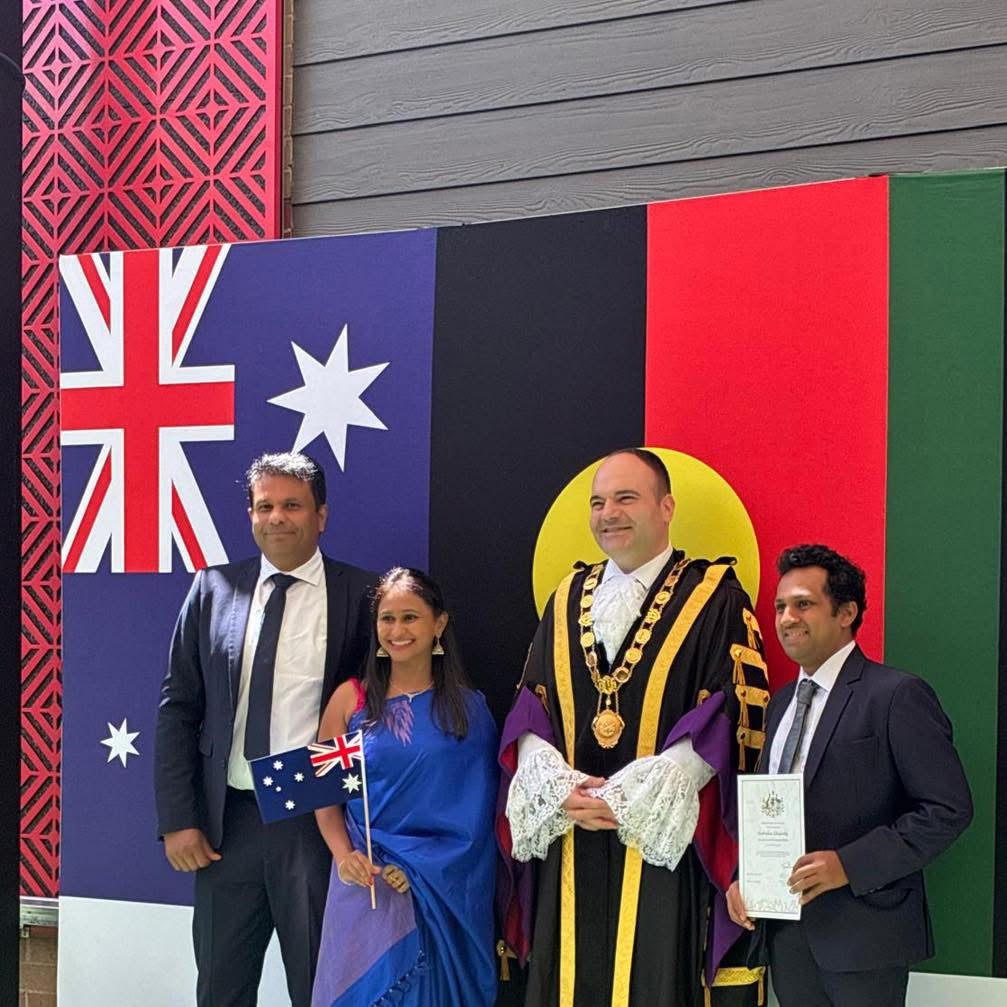
After the pledge, citizenship certificates are presented. This is typically the moment families want captured in photographs, and understandably so. It is a proud milestone. Depending on the format of the event, there may also be remarks recognising the diversity and contribution of new citizens to the local community.

From my perspective as a councillor, this is one of the most rewarding parts of local government. You see people from different countries, faiths and life stories sharing the same moment of belonging. It is a reminder that local government is not only about roads, rubbish collection, planning decisions and parks. It is also about helping people feel that this city is theirs.

Practical questions residents often have

How long does the ceremony take?


It depends on the size of the ceremony and the number of conferees. Some events move quite quickly, while larger ceremonies naturally take longer. If you are bringing young children or elderly family members, plan for a bit of waiting time before and after the formal proceedings.

Can family and friends attend?


Guest arrangements can depend on venue capacity and event management requirements. Some ceremonies can accommodate more family members than others. Always follow the advice in your notice rather than assuming open attendance.

What if I am late?


Do not risk it. Because the ceremony includes formal registration and legal steps, late arrival can create serious problems. If travel on the day is uncertain, leave earlier than you think necessary.

Can children come?


In most cases, families do bring children, especially when the ceremony is a major milestone for the household. The practical question is less about permission and more about comfort. If your child is very young, bring what you need to keep them settled during a formal event.

Parramatta citizenship ceremony information for families planning ahead


For many residents, the ceremony day is not just about attendance. It is a family event. People may plan a meal afterwards, invite relatives from other suburbs, or take photos in local public spaces. If that is your plan, think ahead about timing, transport and mobility needs.

Parramatta can be busy, particularly around civic venues and major transport corridors. If you are travelling with grandparents, prams or several guests, build in extra time. If you are relying on public transport, check for any weekend or evening changes. If you are driving, think about parking before the day rather than after you arrive under pressure.

This may sound like a small detail, but it makes a real difference. The most stressful ceremony days are usually not caused by the ceremony itself. They are caused by last-minute rushing, missing paperwork, transport delays or uncertainty about guest arrangements.

Why these ceremonies matter to our local community


Citizenship ceremonies carry a civic message as well as a personal one. They show that Parramatta is not a place where people merely live side by side. It is a place where people join a shared community and take part in its future.

That matters in a city as diverse and fast-growing as ours. New citizens are parents in local schools, small business owners on our shopping strips, volunteers in community groups, workers in health care and transport, and neighbours who strengthen local life in practical ways every day. A ceremony gives that contribution public recognition.

It also reminds council of its responsibility to keep civic institutions welcoming and accessible. Residents should not feel lost when dealing with important life events. Good public service means giving people clear information, treating them with respect and recognising the human significance behind formal processes.

If you are waiting for your ceremony, I understand the wait can feel long. If your date is coming up soon, I hope you approach it with confidence and a sense of pride. And if you are helping a family member prepare, the best support you can give is often the simplest – help them check the notice, arrive on time, and be present for the moment they make their pledge.

Becoming a citizen is a legal step, but it is also something more enduring. It is a public commitment to belong, contribute and take your place in the life of this community.

Categories
Uncategorized

Family Friendly Community Events Parramatta

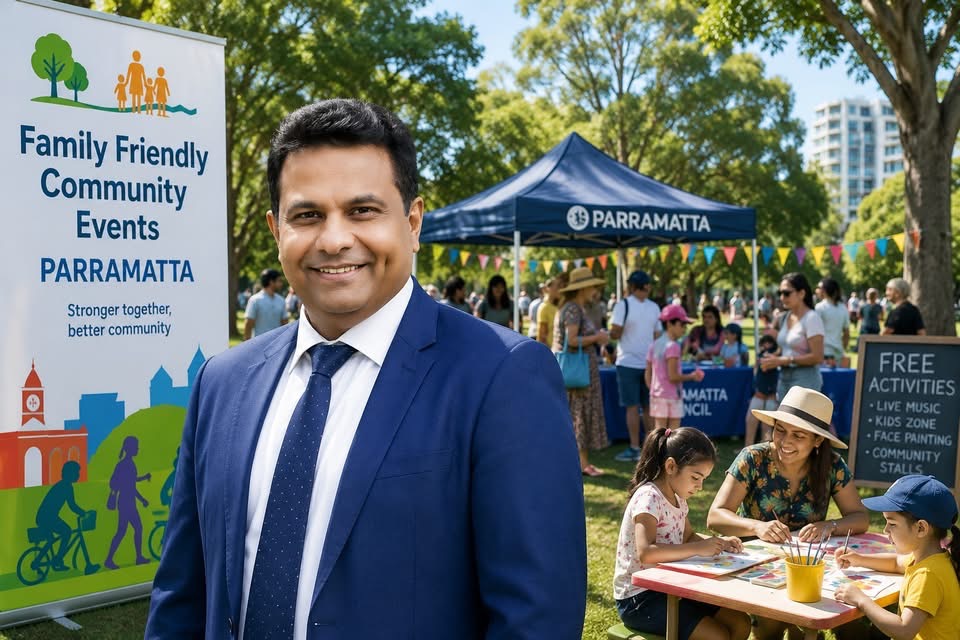
When a local park fills with prams, picnic rugs, grandparents, teenagers, and kids chasing bubbles across the grass, you can feel what family friendly community events Parramatta really mean.

They are not just dates on a council calendar. They are part of how a growing, diverse city stays connected, safe and welcoming for people at every stage of life.

For many residents, community events are where local government becomes real. You see familiar faces, meet new neighbours, support a small business, learn about a service you did not know existed, and let children enjoy public spaces that belong to everyone.

As Parramatta continues to grow, these events matter more – not less – because growth only feels positive when it also strengthens belonging.

Why family friendly community events in Parramatta matter

Parramatta is changing quickly. New housing, major infrastructure, busy town centres and expanding neighbourhoods bring energy and opportunity, but they also put pressure on community life.

Families can feel stretched for time, older residents can feel isolated, and newer arrivals can find it hard to know where to start.

That is where local events play a practical role. A well-run community day, cultural celebration, outdoor movie, market or school holiday activity creates low-pressure ways for people to take part in civic life. You do not need special knowledge, a membership, or a formal invitation. You simply show up.

For parents, that matters because family outings need to be realistic. If an event is close to home, affordable or free, safe, and easy to navigate with children, people are far more likely to attend. For councils, that means planning events is not just about entertainment. It is about access, inclusion and public trust.

What makes an event genuinely family friendly

Not every public event suits families, even when it says it does. In practice, a family friendly event needs to work for very different people at once. A toddler, a teenager, a parent juggling snacks and bags, and a grandparent with mobility concerns all experience the same space differently.

The basics matter. Shade, toilets, baby change facilities, room for prams, clear signage, seating, drinking water, and sensible event timing can make the difference between a good day and a stressful one. Safety matters too – especially traffic management, crowd flow, lighting for evening events, and visible staff or volunteers who can help when needed.

There is also the question of cost. If every food option, ride or activity adds up quickly, some families will feel excluded. That is why a balanced approach works best. A strong event usually includes a mix of free entertainment, affordable food, and activities that do not leave parents feeling they need to keep spending all afternoon.

Cultural inclusion is another part of being family friendly. Parramatta is proudly multicultural, so our events should reflect that reality through programming, food, language accessibility and community participation. When residents can see their cultures, traditions and stories represented in public spaces, the city feels more like home.

The role council plays behind the scenes

Residents often see the fun side of a community event, which is exactly how it should be. But behind that are decisions about budgets, venue management, safety planning, accessibility, waste management, local business participation and community consultation.

From a council perspective, family events are not only about putting on a good show. They are about making sure public money creates public value. That means choosing events and activities that strengthen neighbourhood life, support local traders, activate parks and town centres, and give families confidence in the public spaces around them.

It also means being realistic about trade-offs. Larger events can bring strong economic and social benefits, but they may also create noise, traffic and parking pressure for nearby residents. Smaller neighbourhood events can feel more personal and easier to access, but they may not reach as many people. Good planning is about balance rather than chasing the biggest crowd.

This is where local representation matters. Councillors hear directly from residents about what works and what does not – whether that is overcrowding, lack of shade, limited transport, not enough activities for older children, or the need for more events outside the CBD. Those conversations should shape future planning.

Family friendly community events Parramatta residents value most

Across Parramatta, families tend to respond well to events that are easy to understand and easy to join. Seasonal festivals, multicultural celebrations, outdoor performances, local markets, library programs, community sport days and school holiday activities all have their place because they meet different needs.

Some families want a big annual event with plenty happening and a festive atmosphere. Others prefer smaller local gatherings where children can participate without the overwhelm of large crowds. Neither approach is better in every case. It depends on the age of children, transport options, sensory needs, and how much time a household has available.

Events linked to parks, libraries and community centres often work especially well because families already know those places. Familiar locations reduce stress and make attendance more likely. They also help residents see council facilities as active, useful parts of everyday life rather than just buildings for official business.

There is value in intergenerational programming too. Parramatta families are often extended and multicultural, with grandparents playing a major role in childcare and family life. Events that include music, food, storytelling, craft, gentle movement activities and community performances can bring together multiple age groups in a way that feels natural.

Why local leadership should stay practical

Residents are not asking for slogans when it comes to community life. They want clean parks, safe public spaces, sensible planning and events that are worth attending. They also want to know that when concerns are raised, someone is listening.

That is why a people-first approach matters. Good community events are part of a broader picture that includes playground upgrades, footpath access, traffic safety, public amenities, support for local community groups and stronger communication with residents. If those basics are missing, even the best event program will feel disconnected from daily life.

In my role as Councillor Sreeni Pillamarri, I see community events as one part of a bigger responsibility – helping residents feel heard, respected and included in the life of our city. A festival or family day will never replace the need for responsive council services, but it can create the shared spaces where trust begins.

How Parramatta can keep improving family events

There is plenty to build on, but there is always room to improve. One priority is spreading activity more evenly across suburbs so families do not always need to travel into major centres. Local neighbourhood events can be especially valuable for busy households, carers and older residents.

Another priority is clearer communication. Families need straightforward information before they leave home – transport details, parking advice, accessibility notes, what is free, what to bring, and whether an event suits younger children, older children or both. Better information leads to better attendance and fewer frustrations.

Council and community organisers should also keep listening after events finish. Feedback about queues, seating, safety, programming and facilities is not negative – it is useful. Communities feel respected when their lived experience shapes the next event rather than being ignored once the stage is packed away.

Support for local groups matters as well. Some of the most meaningful family friendly events come from community organisations, volunteers, schools and cultural associations that already know their neighbourhoods well. Council can play an important role by partnering with them, reducing barriers and making participation easier.

More than a day out

A strong calendar of family friendly community events in Parramatta does more than entertain children for a few hours. It helps families feel part of something local, visible and shared. It supports safer public spaces, stronger neighbourhood ties and a healthier civic culture.

That matters in a city as diverse and fast-growing as ours. People want to live in a place where children can enjoy a park, where older residents can join in without stress, where local businesses benefit from foot traffic, and where community life is not treated as an afterthought.

The best events leave behind more than photos. They leave a sense that this city belongs to all of us, and that with thoughtful planning, genuine listening and practical local leadership, Parramatta can keep growing without losing the community spirit families value most.

Categories
Uncategorized

Why Heritage Conservation Parramatta Matters

When a familiar shopfront disappears, an old hall is left to decay, or a historic street loses its character bit by bit, residents feel it straight away.

Heritage conservation Parramatta is not just about old bricks and sandstone – it is about protecting the places that hold community memory while making room for a growing city.

Parramatta is changing quickly. New housing, transport upgrades, commercial development and population growth are reshaping how people live, work and move through the city.

That growth brings opportunity, but it also puts pressure on older buildings, cultural landscapes and neighbourhood character.

For council, and for the community, the real challenge is not whether Parramatta should grow. It is how to grow without erasing the places that tell us who we are.

Heritage conservation in Parramatta is about more than old buildings


Too often, heritage is treated as a niche issue raised only when a demolition application appears or when residents object to a development proposal. In reality, heritage conservation affects everyday civic life. It shapes the look and feel of our centres, supports local identity, strengthens tourism, and gives long-term residents and newer communities a clearer sense of place.

Parramatta has one of the richest historical landscapes in New South Wales. Its story includes First Nations heritage, colonial history, migration, faith communities, industrial change and the steady growth of neighbourhoods that families still call home.

Protecting heritage in this context means thinking broadly. It includes grand civic buildings, but it also includes modest homes, streetscapes, community halls, places of worship, local parks and sites that hold social value even if they are not visually impressive.

This is where local government plays a practical role. Council decisions on planning controls, development applications, maintenance, public domain upgrades and community consultation all influence whether heritage is protected properly or gradually weakened by small, cumulative losses.

The real pressure points in heritage conservation Parramatta


Most residents understand the value of preserving important places. The harder part is deciding what happens when heritage protection intersects with urgent housing needs, commercial renewal and major infrastructure. That is where debate becomes more complicated, and where council needs to be steady, transparent and fair.

One pressure point is development intensity. Parramatta is a major growth centre, and that means more proposals for taller buildings, site amalgamations and redevelopment around transport corridors.

In some cases, growth can sit alongside heritage if the design is thoughtful and setbacks, scale and materials are handled well. In other cases, the result is token retention – a historic façade kept at the front while the meaning and form of the place are largely lost.

Another issue is maintenance. A building does not need to be bulldozed to be lost. Neglect can do the job slowly.

When property owners face high restoration costs or uncertainty about what approvals are needed, heritage places can sit vacant and deteriorate. That is frustrating for neighbours, unsafe for the public and damaging to the broader streetscape.

There is also the question of fairness. Residents often ask why one site is protected while another nearby is not.

Sometimes the answer lies in formal heritage listing criteria, but from the community’s point of view, inconsistency can feel arbitrary. If council wants public trust, heritage decisions need to be explained in plain language, with evidence that people can understand.

What good council leadership looks like


Heritage policy cannot sit on a shelf. It needs to show up in everyday decision-making. Good council leadership means asking early whether a proposal respects local character, whether the heritage advice is independent and credible, and whether the public has had a genuine chance to be heard.

It also means resisting false choices. Residents should not be told that they must pick either progress or preservation. The better question is whether a proposal improves the area while respecting what is already valuable.

Sometimes the answer will be yes. Sometimes the answer will be no. Often, it depends on the design quality, the level of public benefit, and whether the heritage outcome is real rather than cosmetic.

As a councillor, the responsibility is not to romanticise the past or block sensible change. It is to make sure local decisions are grounded in community interest, long-term thinking and accountability.

That includes asking hard questions about cumulative impact. One poor decision might seem minor in isolation, but several weak decisions over time can permanently alter the character of a precinct.

Why residents care – even if they do not call it heritage


Many people do not use planning language in day-to-day life. They talk instead about losing the feel of a street, missing a familiar landmark, or worrying that every centre is starting to look the same.

Those concerns are real. Heritage conservation is often the policy language for something residents already understand instinctively – character matters.

Families want neighbourhoods with identity. Small business owners benefit from attractive and recognisable main streets.

Community groups value places with memory and meaning. Newer residents also deserve the chance to understand the story of the area they now call home. A city that keeps no visible trace of its past can feel efficient, but it rarely feels grounded.

This matters in a [multicultural community]

(https://sreenipillamarri.com.au/2022/04/23/2020-premiers-multicultural-community-medal-finalists/) like ours. Parramatta’s identity has never been frozen in one era. It has been shaped over time by many communities contributing new layers of culture, worship, food, language and public life.

Heritage conservation should reflect that richness. It cannot focus only on the oldest or most architecturally grand places while overlooking sites of social and cultural significance to diverse communities.

Practical ways council can strengthen outcomes


Stronger heritage outcomes usually come from steady practical work rather than grand statements. Clear planning controls matter because vague rules invite conflict and uncertainty. Up-to-date heritage studies matter because local knowledge changes over time.

Better community engagement matters because residents often know the history of a place long before any consultant arrives.

Council can also improve how it communicates. Heritage reports are often technical, and many residents find them difficult to follow.

If a site is being assessed, people should be able to see what is being proposed, what is significant about the place, and what the likely impact will be. Better communication does not remove disagreement, but it makes the process more credible.

Support for adaptive reuse is another part of the picture. Not every heritage place can remain exactly as it was. In many cases, the best protection comes from finding a viable new use that keeps the building active and maintained.

That might mean community use, hospitality, offices, cultural programming or mixed-use outcomes, depending on the site. The key is that adaptation should respect the place rather than hollow it out.

There is also room for stronger advocacy between levels of government. Some heritage pressures are tied to broader planning settings, transport projects and housing targets that extend beyond council.

When state decisions affect local character, residents deserve elected representatives who will speak up early and clearly.

A balanced approach is still the right one


Not every old building should be frozen in time, and not every redevelopment proposal is harmful. That is why heritage conversations need balance, not slogans. Some properties have limited significance. Some precincts can absorb change better than others. Some proposals genuinely improve public access, safety and amenity while retaining what matters most.

But balance does not mean lowering the bar whenever pressure increases. It means weighing benefits and losses honestly. Once a significant place is gone, it is gone for good. Councils can approve more density, redesign a road, or revisit a planning rule later on. Lost heritage rarely gets a second chance.

That is why careful, community-minded decision-making matters. Residents need to know that when heritage issues come before council, the discussion is not just about paperwork. It is about liveability, trust and whether future generations will inherit a Parramatta that still feels recognisable.

For me, that is the heart of public service in local government. We are here to help the city grow well, not just grow fast. If we protect the places that carry meaning, we give future residents something more valuable than development alone – we give them a city with memory, character and a stronger sense of belonging.

Categories
Uncategorized

Small Business Support Parramatta Needs Now

On a single Parramatta street, you can see the local economy at work in real time – a family-run cafe opening before sunrise, a barber greeting regulars by name, a tutor helping high school students after class, and a retailer hoping weekend foot traffic holds up. When people talk about small business support Parramatta-wide, this is what they mean. Not slogans. Real conditions that help local operators stay open, employ locals and keep our neighbourhood centres active.

For many owners, the pressure is not one big issue. It is the pile-up of smaller ones – rent, staffing, parking, deliveries, waste, safety, construction impacts, compliance and changing customer habits. That is why local support has to be practical. Council cannot fix every cost or every market shift, but it can make local trading conditions fairer, clearer and more workable.

As a councillor, my role is to keep that reality in view when decisions are made. A small business owner does not experience policy in neat categories. They experience it through whether customers can find parking, whether the footpath feels safe at night, whether approvals are understandable, and whether major works are communicated properly. Good local government pays attention to those details because they shape confidence.


What small business support in Parramatta should actually look like


Too often, support for business is spoken about as if it begins and ends with promotion. Marketing matters, but it is not enough. A struggling strip of shops does not recover just because it appears in a campaign. Operators need the basics to function well.

That starts with clean and welcoming public spaces. If rubbish builds up, if graffiti is left too long, or if lighting is poor, people notice. They may not write to council about it, but they change their behaviour. Families go elsewhere. Evening trade softens. Staff feel less secure closing up late. A well-maintained centre sends a quiet message that the area is cared for and worth visiting.

Access matters just as much. In some locations, business owners want more parking turnover. In others, they want safer crossings, better wayfinding or easier loading access. There is no single fix that works across every part of the city. Harris Park, Granville, Epping, North Parramatta and the CBD all have different trading patterns. That is why local decisions should be shaped by local evidence, not one-size-fits-all thinking.

Then there is communication. If roadworks, upgrades or planning changes affect trade, people need notice early and in plain language. A trader should not find out at the last minute that access will change outside their shopfront. Businesses can adapt to disruption if they are given a fair chance to plan.


Council decisions that affect local traders every day


Some of the most important support does not look dramatic from the outside. It sits inside routine council decisions that can either help businesses operate or make things harder.

Planning and approvals are one example. Small operators often do not have the time or budget to navigate complicated processes. If a person wants to improve a shopfront, adjust signage or understand what is permitted under current rules, the process should be clear. Clearer information does not mean cutting corners. It means respecting the time of people who are trying to invest in the area.

Public domain upgrades are another. Everyone likes to hear about revitalisation, but timing and staging matter. If works drag on with poor signage and weak communication, the businesses carrying that disruption can pay the price. Better project management, visible detour information and active engagement with traders can reduce avoidable harm.

Waste services and street cleanliness also affect business confidence more than people realise. For hospitality venues in particular, reliable collection and tidy public areas are part of the customer experience. The same is true for maintenance of trees, seating, lighting and footpaths. These are basic services, but they shape whether a town centre feels active and safe.

Compliance is an area where balance matters. Businesses should meet rules that protect health, safety and amenity. But enforcement should also be fair, consistent and clearly explained. Most owners are trying to do the right thing. When expectations are transparent, compliance becomes easier and trust improves.


Listening first, then acting


The best small business support Parramatta can offer starts with listening to the people who open their doors every morning. That sounds simple, but it requires a disciplined approach. Traders often raise issues that cut across departments – parking, trees blocking signs, uneven paving, antisocial behaviour, maintenance delays or confusion around permits. If those concerns are passed around without a clear response, frustration grows quickly.

A people-first approach means taking practical concerns seriously, even when they are not glamorous. Sometimes the issue is not a major policy battle. It is a faded line marking, a broken light, a bin problem or poor communication during nearby works. Fixing those things will not make headlines, but it can make a real difference to local confidence.

It also means recognising that our business community is multicultural and diverse. Many local operators speak more than one language, run family businesses and serve communities that have helped shape Parramatta for decades. Support should be accessible, respectful and easy to understand. When communication is too technical or too vague, people can be left out of decisions that affect their livelihood.


Local challenges need honest answers


There is no point pretending small businesses are facing an easy period. Cost pressures remain high. Consumer spending is uneven. Some centres are adapting to population growth while others are dealing with changing travel patterns and online competition. Add major construction, road changes or uncertainty around state-level policy, and many traders feel they are carrying too much risk at once.

This is where honesty matters. Council can improve conditions, advocate strongly and reduce unnecessary friction, but it cannot control everything. Interest rates, insurance costs, supply chains and broader economic demand sit beyond local government. That does not make council powerless. It means we should focus on the levers we do have and use them well.

That includes stronger advocacy to state agencies when road changes, transport planning or precinct works affect local business areas. It includes making sure the local voice is heard when development reshapes trading environments. And it includes backing sensible activation that brings people into centres without treating events as a substitute for long-term support.

A busy festival weekend can help, but one-off foot traffic is not the same as sustained trade. The real test is whether local centres are easy to access, feel safe, stay clean and remain attractive to visit every week, not just during special events.


A practical agenda for Parramatta business support


If we want stronger local centres, the agenda has to stay grounded. First, businesses need earlier and clearer communication around works, planning changes and disruptions. Second, our streets and public spaces must be clean, safe and well maintained. Third, parking, loading and pedestrian access should be reviewed with local trading patterns in mind, not by assumption.

Fourth, council processes should be easier to understand, especially for small operators without specialist advisers. Fifth, engagement needs to be ongoing rather than limited to formal consultation periods that many busy business owners simply cannot attend. Good engagement meets people where they are.

Most importantly, support should not only focus on the CBD. Parramatta is made up of many local centres, each with its own character and business mix. Neighbourhood strips matter because they provide convenience, local jobs and community connection close to home. When those centres are neglected, residents feel it quickly.

This is the kind of practical, accountable approach I believe residents and business owners expect from local leadership. Not grandstanding. Not endless talk. Steady work on the conditions that help people succeed.

Small businesses are part of the social fabric of our area. They sponsor junior sport, greet residents by name, employ young people in their first jobs and give life to our streets after dark. Supporting them is not a side issue. It is part of building a city that feels liveable, connected and confident about its future.

If you run a local business, your experience matters. The smartest decisions are made when council hears clearly what is working, what is not, and what would make daily trading easier. Practical change often starts with a straightforward conversation – and those conversations are worth having.

Categories
Uncategorized

Justice of the Peace Document Witnessing Service

A missing signature, an unwitnessed declaration, or a form filled in too early can turn a simple task into an extra trip across town.

That is why a justice of the peace document witnessing service matters to so many local residents.

Whether you are dealing with statutory declarations, certified copies, affidavit-related paperwork, or documents for study, work, family, or property matters, getting the process right the first time saves stress.

For many people, this is not just paperwork. It is part of applying for a job, finalising a school enrolment, supporting a visa matter, handling legal forms, or proving identity for an important transaction.

When documents are time-sensitive, clarity and care make a real difference.

What a justice of the peace document witnessing service usually covers


A Justice of the Peace, often called a JP, can help witness and certify certain documents under authorised arrangements. In practical terms, that commonly includes witnessing signatures on statutory declarations and affidavits, and certifying copies of original documents as true copies.

That sounds straightforward, but each document can come with its own rules. Some forms must be signed only when the JP is physically present. Others may require photo identification, supporting papers, or the original document to be produced. In some cases, the person signing must also make a declaration or oath in a specific way.

This is where people often get caught out. They assume any form can be signed in advance, or that a certified copy can be made from a photocopy rather than the original. A good witnessing service is not just about stamping paper. It is about helping residents understand what is required so the document stands up when submitted.

When residents usually need document witnessing


In Parramatta and across Sydney, the need for witnessing comes up in everyday moments. Families might need school or childcare documents witnessed. Small business owners may require certified identification papers for finance, leases, or registration matters. New citizens and migrants often need documents certified for immigration, education, or overseas dealings.

There are also personal matters that carry more weight. End-of-life documents, legal declarations, property forms, or family-related paperwork can be stressful enough without uncertainty about whether the form has been completed properly. In those situations, a calm and dependable process matters just as much as legal accuracy.

For multicultural communities in particular, there can be an added layer of complexity. A person may be managing documents from more than one country, translating records, or dealing with instructions that are not written in plain language. Clear guidance helps reduce confusion and gives people confidence that they are meeting the requirement properly.

How to prepare before you attend a JP service


The easiest way to avoid delays is to prepare carefully before you arrive. Bring the original documents, not just copies. If you need certified copies, bring both the original and the photocopies. If identification is needed, make sure it is current and matches the name used on the form.

Just as importantly, do not sign anything that must be witnessed unless you have been told it can be signed in advance. Many forms are invalid if the signature was not made in front of the authorised witness. If the document includes blank sections, fill them in where appropriate before the appointment, but leave the signature line untouched unless the instructions clearly say otherwise.

It also helps to read the form from start to finish. That may sound obvious, but many people focus only on the page that needs a signature and miss special instructions elsewhere. One sentence buried in the form can change the entire process.

Common issues that slow people down


Most document problems are not dramatic. They are small mistakes that create avoidable delays. A person brings a scanned copy instead of an original. A name on the form does not match the ID. A declaration has been signed too early. A page is missing. A translation has been attached without the required supporting material.

Another common issue is assuming that every document can be witnessed by a JP. Some agencies, courts, overseas departments, or private organisations set their own rules about who can witness a document. They may require a lawyer, notary public, police officer, doctor, or another specific authorised person. That does not mean a JP service is unhelpful. It simply means the right witness depends on the document.

This is one of those areas where the answer is often, it depends. The document itself matters. The authority receiving it matters. Whether the paperwork is for a local process, interstate matter, or overseas use matters too.

Why trust and accessibility matter in a witnessing service


People rarely seek document witnessing for fun. They usually need it because something important is moving forward in their lives. A service that is approachable and community-focused makes that process easier.

Residents want to feel comfortable asking basic questions without being made to feel they should already know the answer. They also want reliability. If someone has taken time off work, arranged transport, or brought children along, a clear and respectful process goes a long way.

That is one reason local service matters. When community leaders and volunteers make practical support available, they help reduce barriers for residents who may already be juggling work, family responsibilities, language challenges, or unfamiliar systems. As a Justice of the Peace and community representative, Sreeni Pillamarri understands that practical help on everyday matters is part of building trust.

What to expect from a proper witnessing appointment


A proper appointment or service point should be orderly, careful, and focused on the document requirements. The JP will usually review the document, check whether it appears complete, confirm identity where needed, and then witness the signature or certify the copy according to the relevant process.

That does not mean the JP is giving legal advice. This is an important distinction. A witnessing service confirms process and identity within the authorised role. It does not replace advice from a solicitor where the legal consequences of the document need to be explained. For simple matters, that may not be an issue. For more serious or contested matters, legal advice may still be the better first step.

There is a trade-off here. A JP service is accessible and highly useful for many everyday documents, but it is not designed to solve legal uncertainty. Knowing the difference can save time and prevent false starts.

A few simple ways to avoid repeat visits


If you want the process to go smoothly, think in terms of readiness. Check who is allowed to witness the specific document. Bring originals, copies, and ID. Leave required signatures until you are in front of the authorised witness. Make sure every page that needs completion has been completed.

If the document is for an overseas authority or a specialised legal purpose, pause and confirm whether a JP is accepted before you attend. That extra check can save a lot of frustration. For residents supporting older parents, family members with limited English, or someone unfamiliar with official paperwork, helping them prepare in advance can make the whole experience far less stressful.

Why this small service has a bigger community role


A justice of the peace document witnessing service may seem like a minor civic function, but it reflects something bigger. It is one of the ways local communities stay connected to practical support. It helps people move through official systems with dignity and confidence. It shows that public service is not only about policy or speeches. Often, it is about being available when someone needs a form witnessed properly and without fuss.

That kind of support matters in a growing and diverse area like Parramatta. People need services that are dependable, accessible, and grounded in real local understanding. When civic support is practical, respectful, and easy to approach, it strengthens trust across the community.

If you need documents witnessed, a little preparation can make the process much smoother – and one careful appointment can be the difference between a delay and getting on with what matters next.

Categories
Uncategorized

Shen Yun Performing Arts in Sydney

I was privileged to attend the spectacular Shen Yun Performing Arts performance as a Councillor for the City of Parramatta.

It was a truly inspiring and heartfelt experience that celebrated the richness of traditional Chinese culture, history and heritage through breathtaking music, dance and storytelling.

The performance also highlighted the timeless values and cultural connections that resonate across many communities.

Shen Yun continues to captivate audiences of all ages, bringing people together through the universal language of the performing arts while showcasing the beauty of one of the world’s oldest civilisations.

Congratulations to the entire Shen Yun team for sharing such incredible talent and cultural excellence with Australian audiences. Thank you to the organisers, performers, volunteers and everyone involved in making this a memorable experience.

If you would like to experience this remarkable performance.

© 2025 Sreeni Pillamarri, All rights reserved